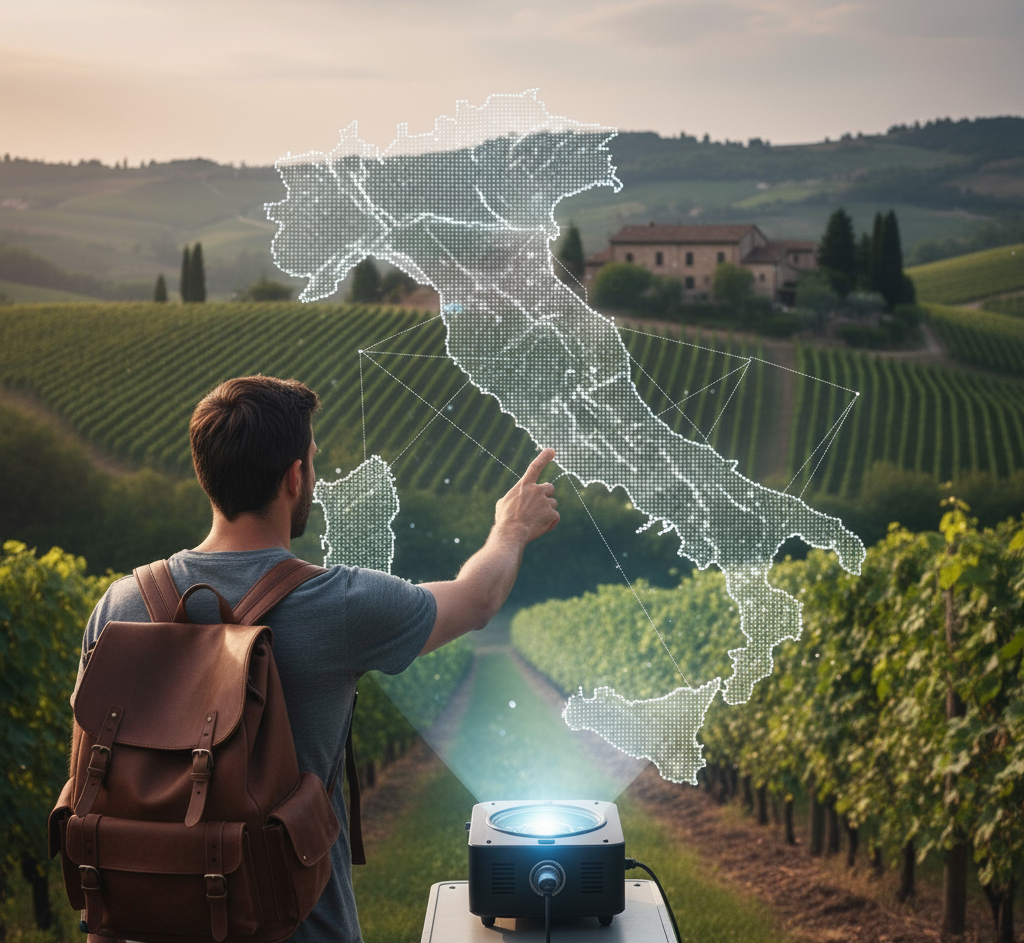

The traditional concept of work—characterized by fixed locations, rigid schedules, and clear geographical boundaries—is undergoing an unprecedented transformation. Powered by rapid advances in artificial intelligence (AI) and the proliferation of remote work, today’s professional landscape is increasingly borderless, reshaping how businesses source, manage, and develop global talent.
Historically, organizations operated primarily within physical office spaces, hiring talent locally or relocating employees at significant expense. However, the COVID-19 pandemic accelerated a shift toward remote working models, highlighting the potential of a digitally interconnected workforce. Initially seen as a temporary solution, remote work quickly evolved into a new norm, compelling companies worldwide to rethink their employment strategies permanently. But as remote work becomes normalized, another powerful force is reshaping this landscape even further: artificial intelligence.
AI is revolutionizing talent management by streamlining recruitment, onboarding, training, and ongoing employee engagement. Platforms utilizing advanced AI algorithms now allow businesses to identify and connect with talent globally based solely on skills and competencies, rather than geography. This shift effectively removes previous barriers, democratizing access to opportunities that once were exclusive to certain cities or regions. AI-driven recruitment platforms leverage machine learning to analyze vast datasets, identifying the best talent matches with unprecedented speed and precision, significantly reducing hiring timelines.
Companies like Upwork, Turing, and Deel exemplify this transition, offering AI-powered platforms that match companies with highly specialized professionals from around the world. “Our vision is talent without borders,” explains Alex Bouaziz, CEO of Deel, a global hiring platform. “We use AI not just to match candidates and companies, but also to handle payroll, compliance, and contracts in ways that previously required expensive, time-consuming human resources operations.” Bouaziz highlights that this digital-first approach saves businesses substantial resources, enabling startups and SMEs to compete effectively with larger corporations.
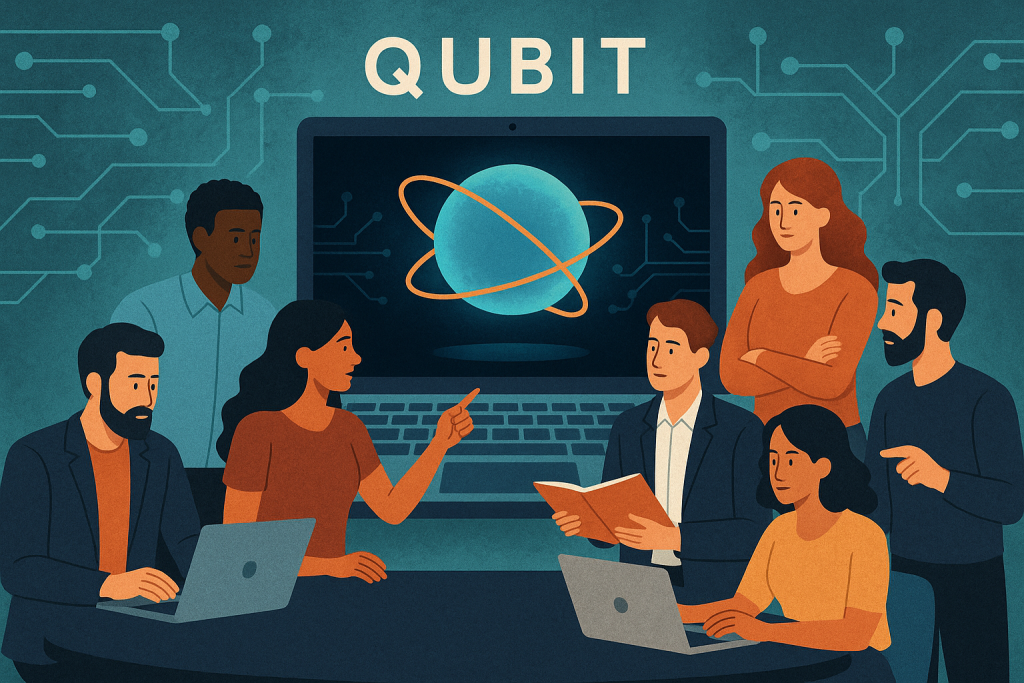
Furthermore, AI-driven analytics tools provide unprecedented insights into workforce productivity and satisfaction, helping organizations optimize remote teams. For example, software tools like Trello, Asana, and Monday.com use machine learning to automate task management, predict project timelines, and even forecast potential challenges, allowing distributed teams to operate efficiently and cohesively despite geographical dispersion. These tools not only improve productivity but also enhance team morale by reducing administrative burdens and fostering clearer, more transparent communication.
But beyond operational improvements, the fusion of AI and remote work is fundamentally altering the employer-employee relationship. Traditional career paths are evolving into flexible, personalized journeys that adapt to individual lifestyles and professional aspirations. Employees no longer must relocate to expensive urban centers to build fulfilling careers. Instead, a talented programmer in rural India or an innovative designer in Brazil can now contribute meaningfully to Silicon Valley startups without leaving home. This flexibility empowers employees to achieve a healthier work-life balance, reducing stress and enhancing overall well-being.
Yet, despite these advancements, the shift also presents significant challenges. Concerns around digital surveillance, the ethical use of employee data, and maintaining a cohesive company culture across disparate locations continue to surface. “Companies must strike a delicate balance between harnessing AI for productivity and respecting employees’ privacy and autonomy,” says Dr. Emma Carter, an organizational psychologist based in London. “Transparency and trust become even more critical when employees are spread globally and interactions are digitally mediated.”
Moreover, the integration of AI raises critical questions about inclusivity and fairness. AI recruitment tools, for instance, must be meticulously designed to avoid embedding biases that disadvantage certain groups. Ensuring equitable access and opportunities across diverse geographies and demographics remains an ongoing challenge. Experts emphasize the importance of continuously auditing and refining AI algorithms to maintain fairness and inclusivity, actively mitigating biases and promoting equal opportunities for all candidates.
Additionally, fostering a cohesive and vibrant organizational culture in remote settings requires deliberate strategies. Virtual team-building activities, regular video meetings, and innovative digital engagement platforms are becoming essential tools for maintaining strong interpersonal connections and a unified corporate identity across geographically dispersed teams.
Nonetheless, the overall trajectory points toward a more interconnected, inclusive, and flexible future for global talent. As organizations continue adapting to this new reality, success will increasingly depend on their ability to embrace technological innovation responsibly, build meaningful digital communities, and foster genuine engagement despite physical distance.
“The future is undeniably global,” notes Jonathan Ramirez, a talent strategist at a multinational tech company. “Companies that succeed in this new landscape will be those that not only leverage technology to erase borders but also create workplaces where diverse global talent feels valued, connected, and inspired.”
In this era of work without borders, it’s clear that AI and remote work are more than mere operational adjustments—they represent a fundamental rewiring of how talent is engaged, managed, and empowered globally. Companies, talent leaders, and workers alike are navigating this new world, collectively defining what work will look like in the decades to come, shaping a future where geographical constraints no longer limit professional potential.