In today’s fast-paced world, where instant gratification and rapid experiences dominate, a quieter, more mindful movement is steadily gaining momentum—slow travel. This isn’t just another fleeting travel trend; it’s a profound shift in how we approach exploring the world. Slow travel prioritizes depth over breadth, meaningful connections over convenience, and authenticity over superficial sightseeing, ultimately reshaping our understanding of luxury.
At its core, slow travel emphasizes fully immersing oneself in a location by spending extended periods of time exploring, interacting, and genuinely engaging with the local community and culture. Unlike traditional tourism, which often involves itineraries packed with rushed visits to must-see landmarks and top-rated restaurants, slow travel invites you to step back, slow down, and experience the world at a leisurely, thoughtful pace. The intent is not merely to visit, but to genuinely inhabit and absorb the atmosphere and nuances of the place.
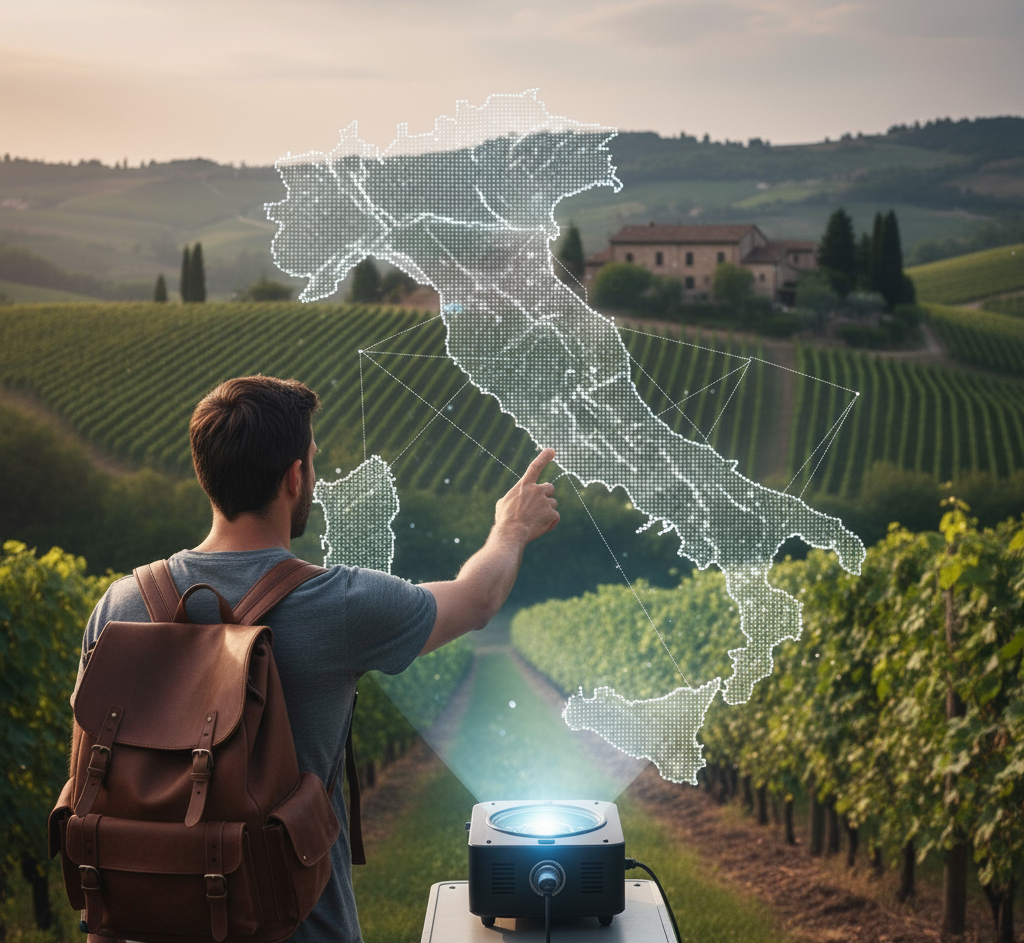
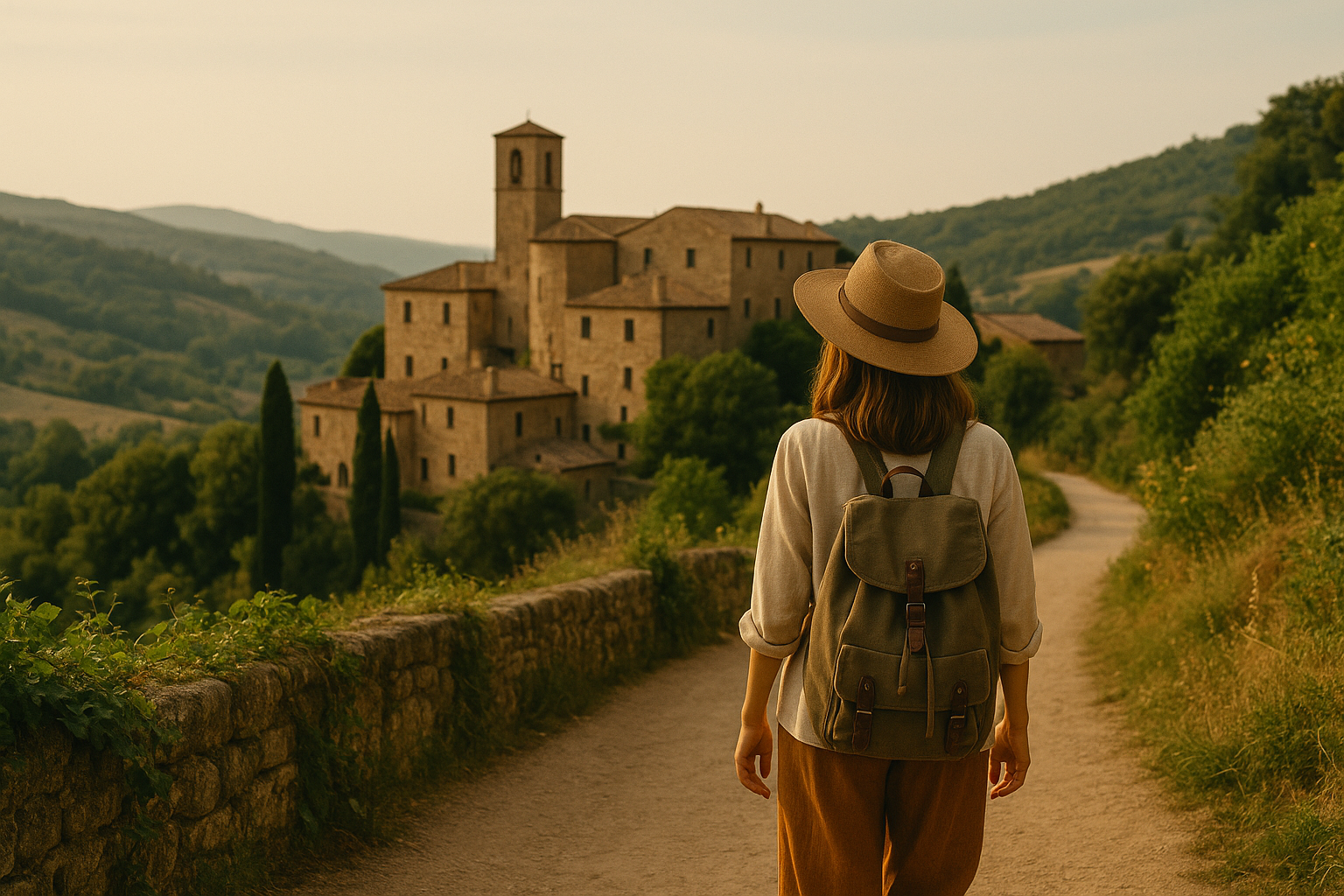
Imagine waking up in a rustic villa nestled among rolling Tuscan hills, where mornings are dedicated to mastering regional dishes using ingredients freshly sourced from nearby farms. Afternoons stretch languidly into leisurely strolls through sprawling vineyards, punctuated by spontaneous, enriching conversations with local winemakers eager to share their craft and stories. Alternatively, picture yourself in a quaint coastal village in Portugal, where your days unfold gently around local cafes, hidden coves, and unplanned, authentic interactions with residents who become familiar faces and cherished friends. These scenarios extend far beyond conventional vacations—they are transformative life experiences rooted in authenticity and connection.
This new definition of luxury rejects opulence or exclusivity, instead embracing meaningful, personal connections and unhurried exploration. The true wealth of slow travel is found in authentic encounters: wandering through bustling markets with a local chef who passionately explains regional specialties; participating in storytelling evenings filled with laughter and folklore in an intimate Irish pub; or joining villagers in rural Japan for an annual celebration, deepening your understanding of their traditions. Each moment presents a chance to appreciate cultural nuances often overlooked by fast-paced tourist agendas.
Moreover, slow travel naturally aligns with sustainability and responsible tourism. Spending more time in fewer locations significantly reduces environmental impacts caused by frequent transportation and minimizes carbon footprints. It also offers tangible economic benefits to host communities by prioritizing family-owned accommodations, local artisans, independent businesses, and community-driven initiatives. Slow travelers frequently become active supporters of sustainable practices, consciously choosing to positively impact both the traveler and the destination.
However, slow travel does present its own set of challenges. Embracing this approach requires deliberate intention and a conscious choice to adopt simplicity, patience, and flexibility. This often involves a significant shift away from familiar routines and consumption patterns, pushing travelers to rethink their expectations about what constitutes a successful travel experience. Success becomes measured not by the quantity of attractions visited, but by the depth of connection and understanding achieved.
Yet, as our world grows increasingly interconnected yet paradoxically isolated, slow travel emerges as an essential remedy—a powerful opportunity to reset, reconnect, and rediscover not only unfamiliar destinations but also ourselves. By moving deliberately and thoughtfully, travelers often discover hidden aspects of their own identities and values, gaining insights that remain long after the journey ends.
In a society where speed is frequently equated with progress and achievement, perhaps the most luxurious choice we can make is to intentionally slow down. Slow travel reminds us that life’s richest experiences are often those savored slowly and deliberately. It is not merely a travel preference; it’s a gentle yet profound rebellion against the hurried pace of modern life, inviting us to find joy, fulfillment, and true luxury in the simple act of slowing down.