Nostalgia as a Marketing Strategy: Why Brands Keep Talking to Us About the ’90s and 2000s
Flip phones are cool again. Low-rise jeans and bucket hats are no longer a fashion faux pas but a statement. A 40-year-old Kate Bush song tops global charts thanks to a TV show set in the ’80s, and movie studios are banking on sequels to films we first loved decades ago. Look around: we are not just remembering the 1990s and 2000s, we are actively reliving them.
This isn’t a collective coincidence; it’s one of the most powerful and pervasive marketing forces at play today: Nostalgia Marketing. Brands aren’t just taking a trip down memory lane; they are strategically mining our past to create an emotional resonance that is almost impossible to achieve with conventional advertising. But why this specific era? And why is it so incredibly effective right now?
The Psychology of a “Simpler Time”
At its core, nostalgia is a powerful, bittersweet emotion. The term itself, from the Greek nóstos (homecoming) and álgos (pain), was once considered a medical condition. Today, psychologists understand it as a vital psychological resource. It’s a mechanism that provides comfort, strengthens our sense of identity, and fosters a feeling of social connectedness.
In a world defined by relentless change, economic uncertainty, and digital over-saturation, the past often feels like a safe harbor. Nostalgia offers a momentary escape to a time we perceive—rightly or wrongly—as simpler, more authentic, and more secure. When a brand successfully taps into this feeling, it does more than just sell a product; it sells a feeling of comfort and belonging. It bypasses our rational brain and speaks directly to our emotional core.
The Millennial and Gen Z Goldmine: The Last Analog Generation
The primary reason for the intense focus on the ’90s and 2000s lies in demographics. The main target of this strategy is a massive and influential consumer group: Millennials (born roughly 1981-1996) and elder Gen Z (born 1997-early 2000s). This cohort is now in its prime earning and spending years, making them the most coveted market for most brands.
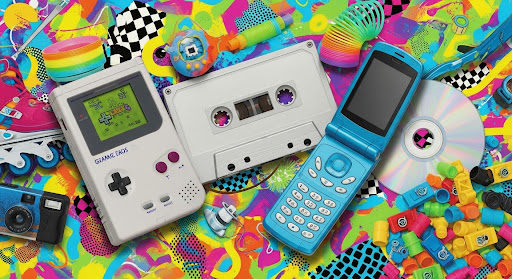
More importantly, they share a unique collective experience: they are the last generations to remember life before the internet was ubiquitous. They were the bridge between the analog and digital worlds. Their childhoods and teenage years were filled with:
- Tangible Media: VHS tapes, Blockbuster rentals, cassette mixtapes, and CDs with printed lyric booklets.
- The Dawn of Connectivity: The screech of a dial-up modem, the thrill of an AIM or MSN Messenger notification, and the novelty of a first Nokia phone.
- Shared Cultural Moments: Watching blockbuster shows like Friends or Buffy the Vampire Slayer on a weekly schedule, because on-demand streaming didn’t exist.
This unique blend of analog and early-digital experiences creates a rich and relatable tapestry of memories that brands can easily draw from.
The Nostalgia Marketing Playbook: How It’s Done
Brands deploy nostalgia in several sophisticated ways, often blending them for maximum impact.
1. The Product Reboot & Limited Edition Drop:
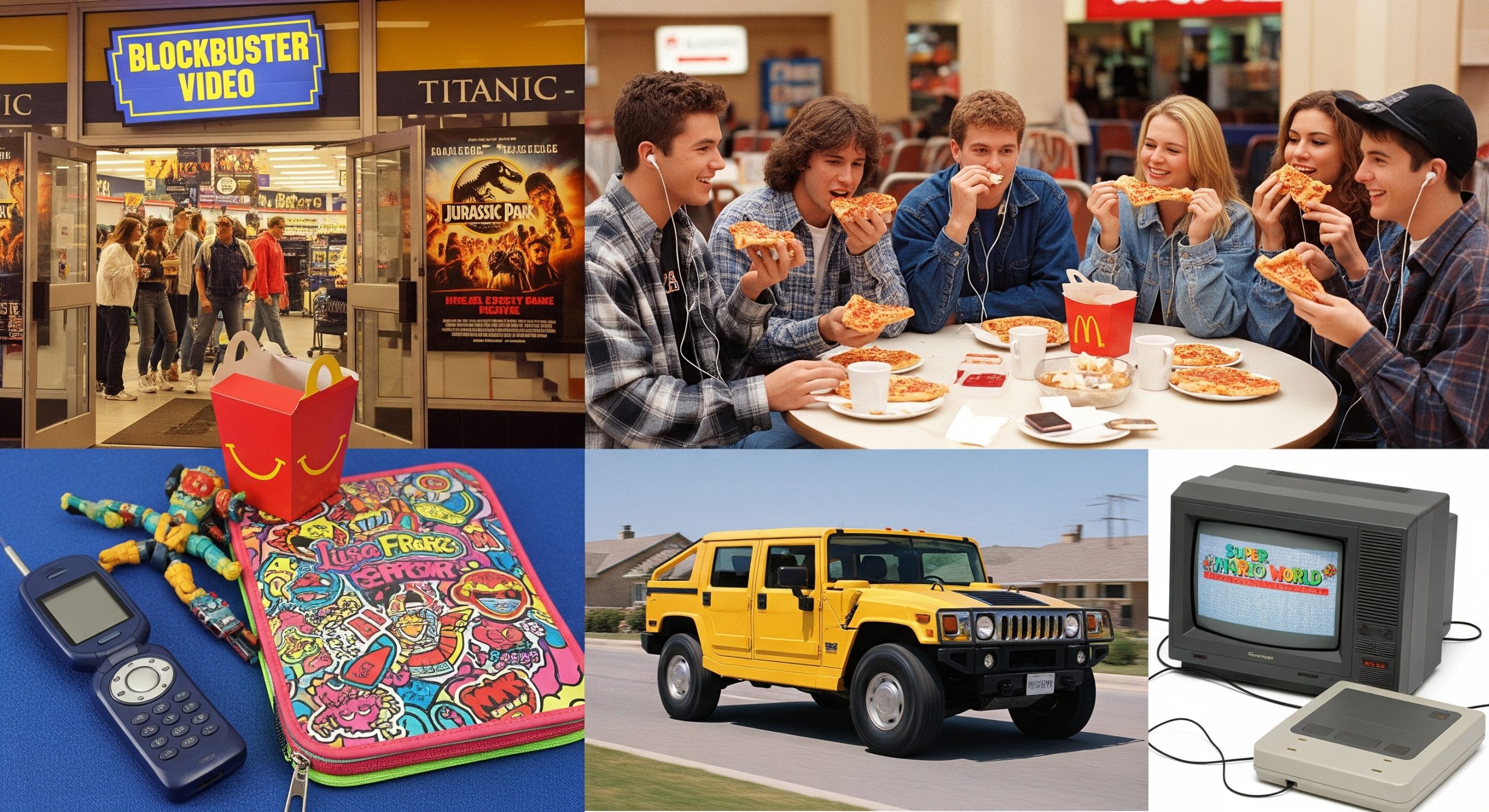
The most direct approach is simply bringing back a beloved product. Nintendo’s NES and SNES Classic consoles sold out instantly. Nike continuously re-releases iconic Air Jordan models from the ’90s to frantic hype. Food and beverage companies have successfully revived products like Crystal Pepsi and Surge soda for limited runs, capitalizing on the “get it before it’s gone again” frenzy.
2. The Aesthetic & Design Revival:
From high fashion to graphic design, the visual language of the Y2K era is back. This includes the chunky typography, iridescent colors, and slightly clunky UI designs of early websites. Fashion brands like Fila and Adidas saw massive resurgences by re-embracing their ’90s styles. This strategy allows brands to feel both retro and modern simultaneously.
3. Leveraging Iconic Soundtracks and Media:
Music is one of the most powerful triggers for memory. The phenomenal success of Stranger Things catapulted Kate Bush’s “Running Up That Hill” and Metallica’s “Master of Puppets” back to the top of the charts, introducing them to a new generation. Similarly, movie studios have found immense success with legacy sequels like Top Gun: Maverick and Blade Runner 2049, which honor the original while continuing the story for a modern audience.
4. The “I Remember That!” Social Media Campaign:
Platforms like TikTok and Instagram Reels are perfect vehicles for nostalgia. A short clip featuring a forgotten cartoon theme song, the sound of a PlayStation 1 starting up, or a ’90s celebrity can go viral in hours. Brands tap into this by creating content that prompts users to comment, “I remember this!”—instantly creating a communal experience and positive brand association.
The Risks: When Nostalgia Backfires
Despite its power, nostalgia marketing is not without its pitfalls. If executed poorly, it can come across as lazy, inauthentic, or cynical.
- Inauthenticity: Younger consumers, in particular, are adept at spotting “nostalgia bait.” A brand simply slapping a retro logo on a modern product without understanding the cultural context will likely be met with ridicule.
- Rose-Tinted Glasses: Nostalgia often glosses over the negative aspects of the past. A campaign that feels out of touch with modern social values, even if it’s historically accurate, can cause significant backlash.
- Market Saturation: As more and more brands jump on the bandwagon, the strategy risks losing its impact. When everything is nostalgic, nothing feels special.
Conclusion: Selling Yesterday to Build Tomorrow
Nostalgia marketing is far more than a fleeting trend. It is a sophisticated response to a fundamental human need for comfort, identity, and connection in a fast-paced world. The ’90s and 2000s provide the perfect emotional landscape for brands to connect with the generations that now hold the most economic and cultural sway.
By selling us pieces of our past—a familiar melody, a forgotten flavor, a classic design—brands are making a powerful investment. They are forging an emotional bond that can transcend product features and price points, building a form of brand loyalty that feels less like a transaction and more like a cherished memory. And as we move forward, it’s fascinating to wonder: what parts of today will the brands of 2045 be selling back to us?