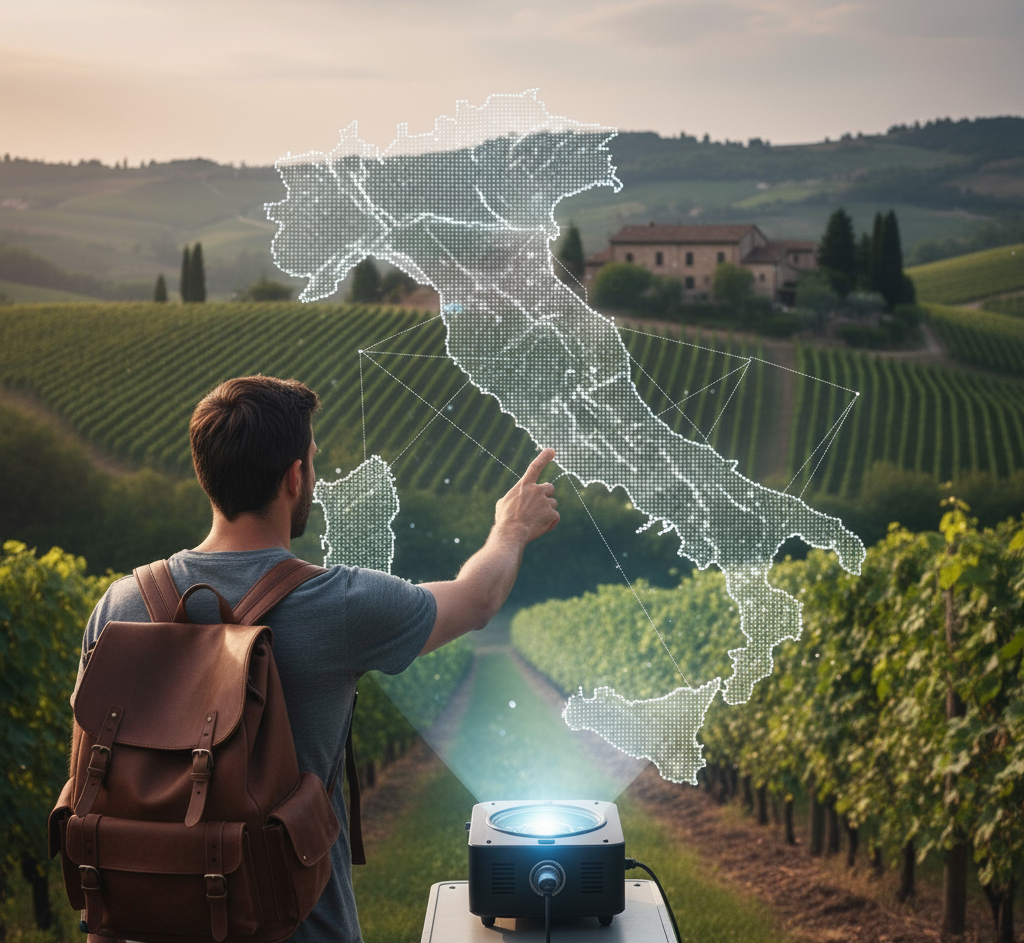

in an age of unparalleled connectivity and dizzying speeds, the act of travel has evolved from a grand, rare expedition into an almost ubiquitous, often mundane, part of modern life. Yet, beneath the veneer of Instagram-perfect snapshots, meticulously planned itineraries, and the relentless pursuit of discounted flights, lies a deeper, far more profound truth: travel is inherently, powerfully transformative. It is not merely the relocation of a body from one geographical point to another, but a potent, often uncomfortable, catalyst for personal evolution. Leaving the familiar confines of home—be it our physical dwelling, our cultural norms, our entrenched social circles, or our deeply ingrained daily routines—initiates an alchemical process that strips away old assumptions, challenges our most deeply held convictions, and ultimately, reveals nascent, often surprising, versions of ourselves we never knew existed. Travel as Transformation is an immersive exploration of this profound metamorphosis, a journey into how the act of venturing forth reshapes our identities, expands our understanding of the intricate tapestry of the world, and irrevocably redefines our place within its vast and ever-shifting landscape.
I. The Unraveling of the Familiar: Embracing Discomfort as a Growth Catalyst for the Soul
Our home environments, meticulously constructed over years, provide an undeniable bedrock of comfort, security, and predictability. Yet, this familiar framework, while serving as a crucial anchor, can also weave a dense, sometimes invisible, tapestry of routine, unquestioned social expectations, and deeply ingrained subconscious biases. This comforting framework, ironically, can become a gilded cage, subtly limiting our perspective, reinforcing existing patterns of thought, and stifling the impulse for genuine introspection. The very moment we consciously choose to step outside this well-worn comfort zone, the profound process of unraveling truly begins.
Suddenly, we are confronted with the necessity of navigating unfamiliar languages, deciphering subtle yet crucial new social cues, adapting to starkly different climates, and confronting a relentless stream of unexpected challenges—from delayed transport to cultural misunderstandings. This ceaseless barrage of the novel and the unknown strips away the superficial, often protective, layers of our established self. This discomfort, initially jarring and even anxiety-inducing, rapidly morphs into a powerful, undeniable catalyst for profound personal growth. It compels us to problem-solve in novel, creative ways, to shed our reliance on pre-programmed solutions, to lean heavily on our intuition, and to engage with the world with a heightened, almost primal, set of senses. It’s in these often-vulnerable moments of adaptation and improvisation that we tap into a hidden reservoir of resilience, resourcefulness, and inner strength we often never knew we possessed. Character is built not in the controlled, predictable environment of home, but in the unpredictable, sometimes harsh, crucible of the unknown. We learn to be flexible, to surrender the illusion of control, and to find a strange, liberating beauty in uncertainty, realizing that our perceived limitations were merely constructs of our habitual environment.

II. The Mirror of the Other: Expanding Empathy and Critically Challenging Worldviews
Perhaps one of the most profoundly transformative aspects of extended travel lies in its unparalleled capacity to serve as a powerful, unforgiving mirror reflecting our own ethnocentric biases. When we consciously choose to immerse ourselves in distinctly different cultures, witness vastly diverse ways of life firsthand, and engage in genuine, open dialogue with individuals whose experiences and perspectives diverge fundamentally from our own, our personal worldview is not merely broadened—it is inevitably, and often dramatically, challenged. We begin to grasp, on a visceral level, that our truth is not the sole truth, and our ingrained way of doing things is by no means the only way, nor necessarily the best.
This direct, unfiltered exposure to the “other” cultivates a deep, sustainable wellspring of empathy. We learn to perceive humanity in its countless, vibrant forms, recognizing shared struggles, universal joys, and common aspirations that lie beneath the often-superficial distinctions of language, religion, or custom. Observing how different societies prioritize values (community over individualism, tradition over innovation), structure their familial units, build their cities, or approach life’s inevitable challenges provides an invaluable, often humbling, perspective. This empathetic lens doesn’t just alter how we see the world; it fundamentally changes how we see ourselves in relation to it. It fosters an indelible sense of global citizenship, an understanding of our interconnectedness, and a recognition that our individual well-being is intrinsically linked to the well-being of the broader human family. It makes us more understanding, less judgmental, and ultimately, more whole.
III. The Solitude of the Journey: Forging Our Authentic Voice Amidst the Global Noise
While travel often presents exhilarating opportunities for meeting new people, forging fleeting yet impactful connections, and experiencing the vibrant energy of diverse communities, it also frequently bestows the precious gift of profound solitude. Away from the constant demands and expectations of our everyday lives, disconnected from the relentless digital chatter and the familiar echoes of our social circles, we are granted the rare luxury of uninterrupted quiet introspection. In this unique space, the internal dialogue, often suppressed by the cacophony of routine, can finally emerge without interruption.
The absence of familiar responsibilities, the temporary suspension of ingrained social pressures, and the removal of performance expectations allow us to confront our authentic selves—perhaps for the very first time with such clarity. We gain the mental space to process complex emotions, reflect deeply on our true aspirations, and tune into the subtle whispers of our own intuition, which is often drowned out by the noise of home. This solitude, it must be emphasized, is not loneliness; it is a profound opportunity for unparalleled self-discovery—a chance to clarify our core values, redefine our most fundamental priorities, and reconnect with the unwavering beacon of our inner compass. It is often here, far from the familiar landscapes and expectations of home, that many travelers unequivocally find their true voice, their core purpose, and a clearer, more resonant sense of direction for the chapters yet to be written in their lives. The quietude of an alien land becomes the loudest voice for self-understanding.
IV. The Return Home: Integrating the Transformed Self into a Recontextualized Life
The profound transformation instigated by travel doesn’t neatly conclude the moment the journey ends; in fact, its most challenging, yet ultimately most rewarding, phase truly begins upon the return home. The complex process of integrating the “new self” that emerged, tested, and grew on the road back into the seemingly “old life” is often the most demanding part of the entire experience. We frequently discover that once-familiar routines, deeply embedded relationships, and even physical places now feel distinctly different, seen through a newly expanded, often critical, lens. Old problems that once seemed insurmountable may now appear less daunting, or perhaps entirely new, more fulfilling paths for resolution or life direction suddenly become vividly visible.
This process of reintegration demands conscious, sustained effort. It requires sharing our rich, nuanced experiences with others, not just as anecdotes, but as profound lessons learned. It involves actively applying new perspectives to existing challenges in our work, relationships, and personal pursuits. Crucially, it means making deliberate, often courageous, choices to realign our daily lives with the invaluable insights gained abroad. It’s about not just intellectually remembering the lessons learned, but deeply embodying them in our actions, our decisions, and our very way of being. The true measure of transformative travel isn’t merely the number of stamps accumulated in our passport, nor the breadth of geographical locations visited, but the indelible, often invisible, marks left on our soul. These marks compel us to live with greater authenticity, with a clearer sense of purpose, with an expanded capacity for empathy, and with a deeper, more profound appreciation for the boundless, intricate possibilities of human experience. Travel, in this most profound and ethical sense, isn’t an escape from life; it is, unequivocally, an intensive, transformative course in how to truly live it—more fully, more consciously, and with immense gratitude.