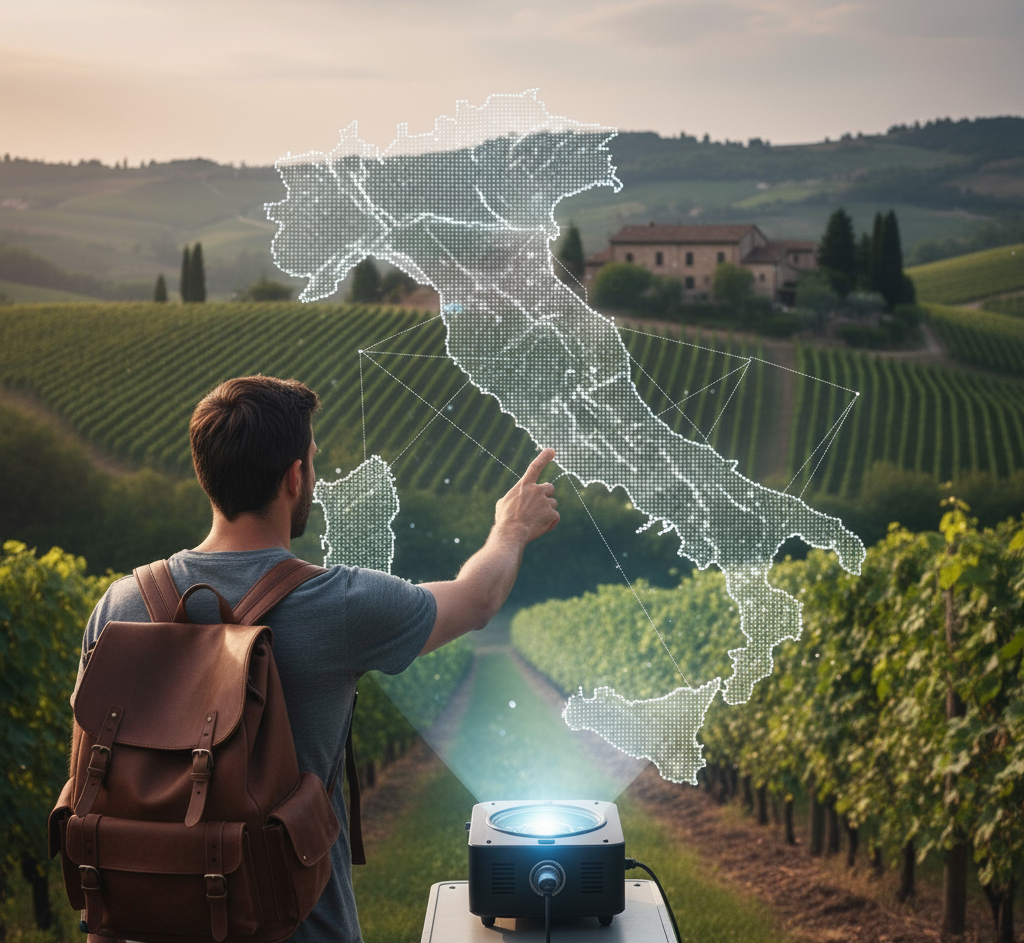

In an era defined by unparalleled global access and a deluge of curated, glossy images, the act of travel risks devolving into a mere exercise in consumption: a frantic, superficial race to tick off iconic landmarks and capture the perfect, fleeting photograph. This reductive “tourist gaze,” often driven by digital validation and aggressive commercial packaging, inevitably objectifies destinations, reducing the profound complexity of a living culture to a picturesque, interchangeable backdrop.
The Ethics of Exploration challenges us to consciously reject this passive, transactional mode of journeying. It compels us to transcend the superficial bucket list and embrace a genuine, sustained curiosity that seeks deep understanding, fosters human connection, and transforms us from detached spectators into active, responsible participants.
Here are five imperatives to consciously move Beyond the Tourist Gaze and forge a truly authentic, ethically grounded exploration, ensuring your journey leaves a positive and lasting imprint.
I. Cultivate the Serendipitous Walk: Exchange the Map for the Rhythms of the Street
The meticulously planned itinerary, while necessary for logistics, is the enemy of authentic discovery. It shields the traveler from the very essence of local life, trapping them within pre-approved, often homogenized, routes designed exclusively for tourist convenience. True immersion requires the courage to surrender control.
- The Ethical Imperative: Dedicate significant, unplanned blocks of time to simply wander. Intentionally stray three or four blocks away from the highly promoted arteries. Look for the small, subtle signs of unscripted daily rhythm: the corner shop with no English lettering, the public market where food is bought, the park where only local children play, the scent of genuine home-cooked cuisine. Let your genuine curiosity be your guide, not a five-star rating.
- The Transformation: By getting lost on purpose, you allow the destination to reveal its true, unvarnished self. You replace the transactional viewing of an attraction with the empathetic observation of a community’s daily existence, cultivating a nuanced appreciation for its life and its challenges. This is where real stories reside.

II. Eat with Conscience: Channel Funds to the Hands That Sustain the Culture
The choice of where we dine is, fundamentally, an economic decision that casts a long shadow over the local community’s vitality and cultural integrity. Supporting international conglomerates near monuments perpetuates a system that siphons profits away from the host destination. Your plate is your political statement.
- The Ethical Imperative: Vigorously seek out small, independent, and family-run establishments—the tiny trattorias, the local food stalls, the neighborhood tavernas. Avoid chain restaurants and the global brands whose allegiance is not to the community. Ask genuine residents (a local postman, a market vendor, your B&B host) where they feed their own families, rather than relying on global review platforms. Always inquire about local sourcing and prioritize businesses that use traditional methods and ingredients.
- The Transformation: This commitment ensures your capital is conscientiously channeled directly into the hands of the people who cultivate, cook, and sustain the region’s unique culinary heritage. It is a powerful, direct act of sustainable economic impact, securing the future of local gastronomy.
III. Prioritize Connection Over Capture: Replace the Selfie Stick with Active Listening
The ubiquitous urge to capture and share a destination often turns people and traditions into mere props for personal validation. This reduces a living, complex human to an object for the consumption of your curated social media feed, violating their inherent dignity.
- The Ethical Imperative: Before raising a lens, first engage the person. Seek explicit, verbal permission before photographing individuals, especially children or in sacred spaces. Learn the local term for “May I?” When interacting with an artisan or vendor, shift the focus from the price to the process: inquire about the history of their craft, the meaning behind their work, or the challenges they face. Take time to simply sit and observe without the barrier of a camera or a phone.
- The Transformation: You move beyond a superficial, dehumanizing visual exchange and embrace a moment of genuine human connection. You affirm the dignity and the unfiltered voice of the person you meet, prioritizing their narrative over your curated image, transforming a moment of consumption into one of mutual respect.
IV. Embrace the Language of Humility: The Power of Five Simple Words
Arriving in a new land as a respectful guest requires profound Cultural Humility. The presumption that one’s own language or customs should prevail is an ethnocentric arrogance that immediately creates distance, misunderstanding, and resentment. We are here to learn, not to teach.
- The Ethical Imperative: Commit to learning, internalizing, and using five core phrases—Hello, Please, Thank you, Excuse me, Delicious—in the local language. Use them enthusiastically and repeatedly. Always pay attention to local etiquette regarding dress, public displays of affection, and physical distance. If a local offers advice or a correction, receive it with gratitude and humility, recognizing their mastery of their own culture.
- The Transformation: This simple act immediately softens the boundaries between guest and host, signaling your acknowledgment of their culture’s sovereignty. It positions you as a perpetual student of the world, fostering richer, more empathetic interactions that challenge your own preconceived notions.
V. Seek the Unfiltered Story: Engage with Complexity, Not Just Beauty
The authentic story of any place is never merely picturesque; it is woven from both triumph and systemic challenge. The ethical explorer resists the temptation of sanitized perfection and seeks a nuanced, full understanding of the reality on the ground.
- The Ethical Imperative: Seek out institutions and community initiatives that address local challenges (e.g., non-tourist-focused community centers, local libraries, specialized museums, environmental projects). Read local news translated via an app. Engage respectfully in conversations about socio-economic pressures, environmental degradation, or cultural preservation efforts, always listening more than speaking. Understand the layered history that shaped the present.
- The Transformation: You transform travel from a frivolous escape into a meaningful encounter with reality in its richest, most complex form. You return home not just with souvenirs, but with an expanded, sophisticated worldview and a renewed commitment to responsible global citizenship, carrying the profound lessons learned into your daily life.