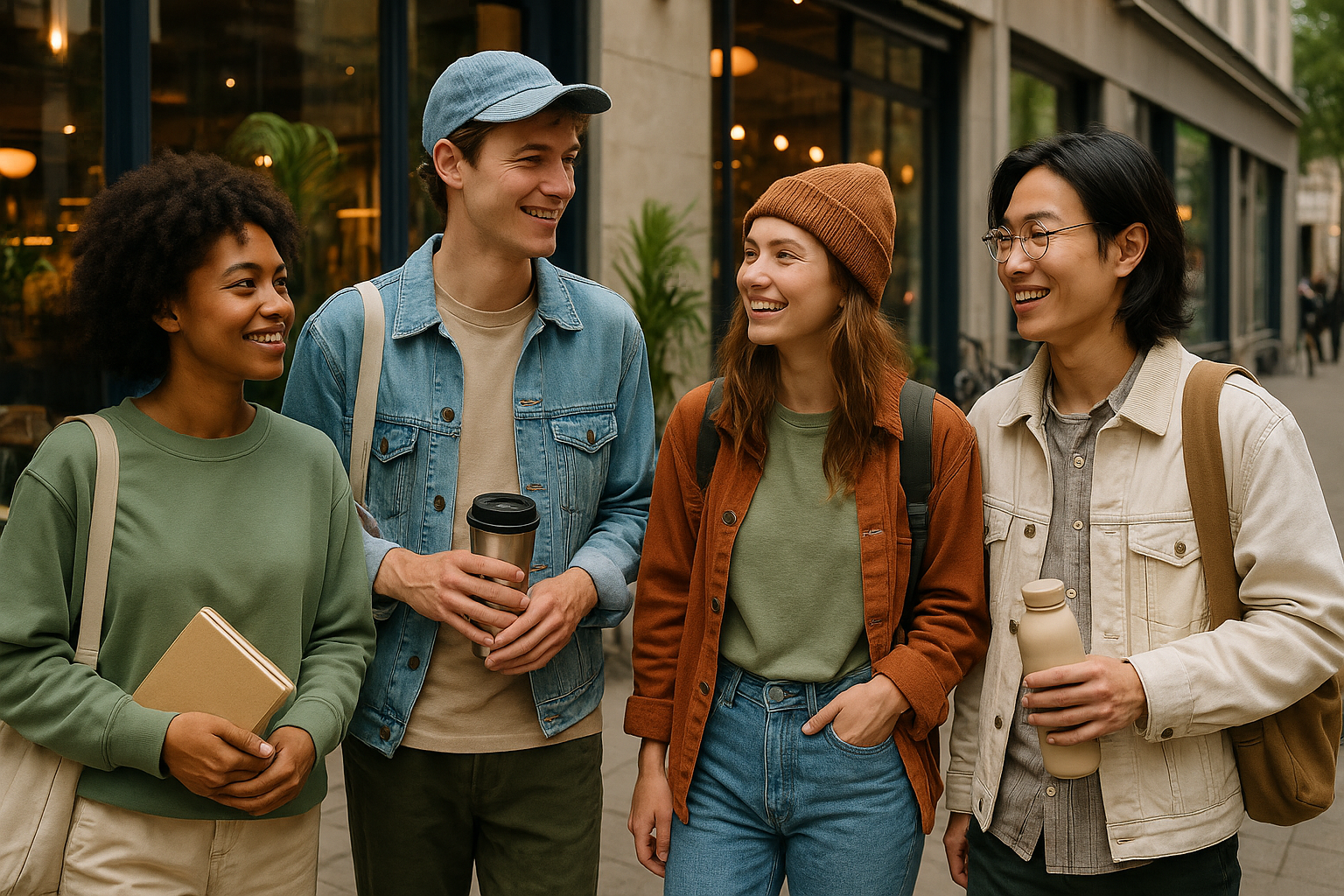
It’s no secret that Generation Z—born roughly between 1997 and 2012—is rapidly rewriting the playbook on lifestyle and consumption. As digital natives, Gen Zers are setting new standards not just in work and relationships, but in the very ways we choose to live, shop, and interact with the world around us. From redefining wellness to reshaping fashion trends, Gen Z’s impact is both profound and lasting, reaching deep into the cultural fabric of society.
Unlike previous generations, Gen Z doesn’t merely consume products; they consume with purpose. Sustainability, ethics, and authenticity have become non-negotiable criteria for their purchasing decisions. According to a recent report from Deloitte, 75% of Gen Z shoppers are actively choosing brands that align with their personal values, signaling a powerful shift toward conscious consumerism. This shift isn’t just theoretical; it’s practical and pragmatic, influencing everything from grocery shopping to major life investments.
But why is Gen Z so committed to conscious consumption? Having grown up amidst climate crises, economic uncertainty, and rapid digital disruption, this generation is acutely aware of the interconnectedness between their daily choices and global impacts. The transparency offered by digital platforms has amplified awareness, making it impossible to ignore the direct correlation between personal behavior and environmental outcomes. Take fashion, for example. Fast fashion, once thriving among Millennials, is steadily losing appeal. In its place, second-hand platforms like Depop and sustainable brands such as Patagonia and Reformation are booming, driven predominantly by younger consumers who value longevity, quality, and ethical production.

“Buying new feels unnecessary now,” explains Maya Robertson, a 22-year-old content creator from Seattle. “I want my wardrobe choices to reflect my values around environmental responsibility, and I know many of my friends feel exactly the same.” Maya’s sentiment is echoed widely, as vintage and pre-loved shopping become not only economically savvy but culturally significant statements.
The transformation doesn’t stop at clothing. Gen Z’s focus on wellness is also redefining how brands approach health, fitness, and mental well-being. Mindfulness, once a niche practice, has surged in popularity among younger demographics. Apps like Calm and Headspace have become staples, supported by a generation openly prioritizing mental health and advocating for systemic changes to address emotional wellness.
“Taking care of your mental health is not a luxury; it’s essential,” states Ryan Singh, a 19-year-old student at UCLA. “We’ve seen firsthand how ignoring mental well-being affects our generation, so we’re making sure it’s part of the conversation.” Schools, workplaces, and even public policies are evolving to meet these demands, integrating wellness programs and creating environments that support psychological resilience and emotional stability.
Moreover, this generational shift extends deeply into the world of food and nutrition. Veganism and plant-based diets have seen exponential growth, partly fueled by Gen Z’s demand for ethical transparency and environmental accountability. Restaurants, grocery stores, and food brands globally are scrambling to keep up, with plant-based menus and products becoming the norm rather than the exception. The food industry’s rapid pivot toward plant-based solutions is a clear testament to Gen Z’s influential buying power and ethical rigor.
Beyond mere products, Gen Z’s influence has significantly reshaped how businesses market themselves. Authenticity, transparency, and meaningful engagement have become mandatory for any brand looking to capture their attention. Social media campaigns filled with curated, idealized content now struggle to resonate. Instead, Gen Z prefers raw, relatable storytelling that reflects real-life challenges and genuine narratives.
“We don’t want perfection—we want reality,” says Emma Lin, a 24-year-old marketing strategist from London. “Brands that openly discuss their struggles or highlight their behind-the-scenes processes feel more trustworthy. It’s about building genuine connections.” Consequently, businesses are increasingly adopting more authentic communication strategies, leveraging platforms like TikTok and Instagram to create intimate, direct dialogues with their audience.
Yet, despite their powerful influence, Gen Z faces ongoing stereotypes of being superficial or overly idealistic. However, their actions consistently defy these misconceptions, showcasing depth, pragmatism, and a firm commitment to their values. They understand their power as consumers and wield it thoughtfully, determined to reshape not only their own lifestyles but society as a whole.
As we navigate further into this decade, one thing is certain: Gen Z will continue redefining our collective understanding of lifestyle, consumption, and responsibility. Their authentic voice, unwavering values, and digital savvy promise to shape markets and mindsets for generations to come. Businesses, communities, and individuals alike would do well to listen closely—because Gen Z isn’t merely adjusting the narrative; they’re actively rewriting it, challenging the status quo, and demanding a future that aligns closely with their ideals of fairness, sustainability, and collective well-being.