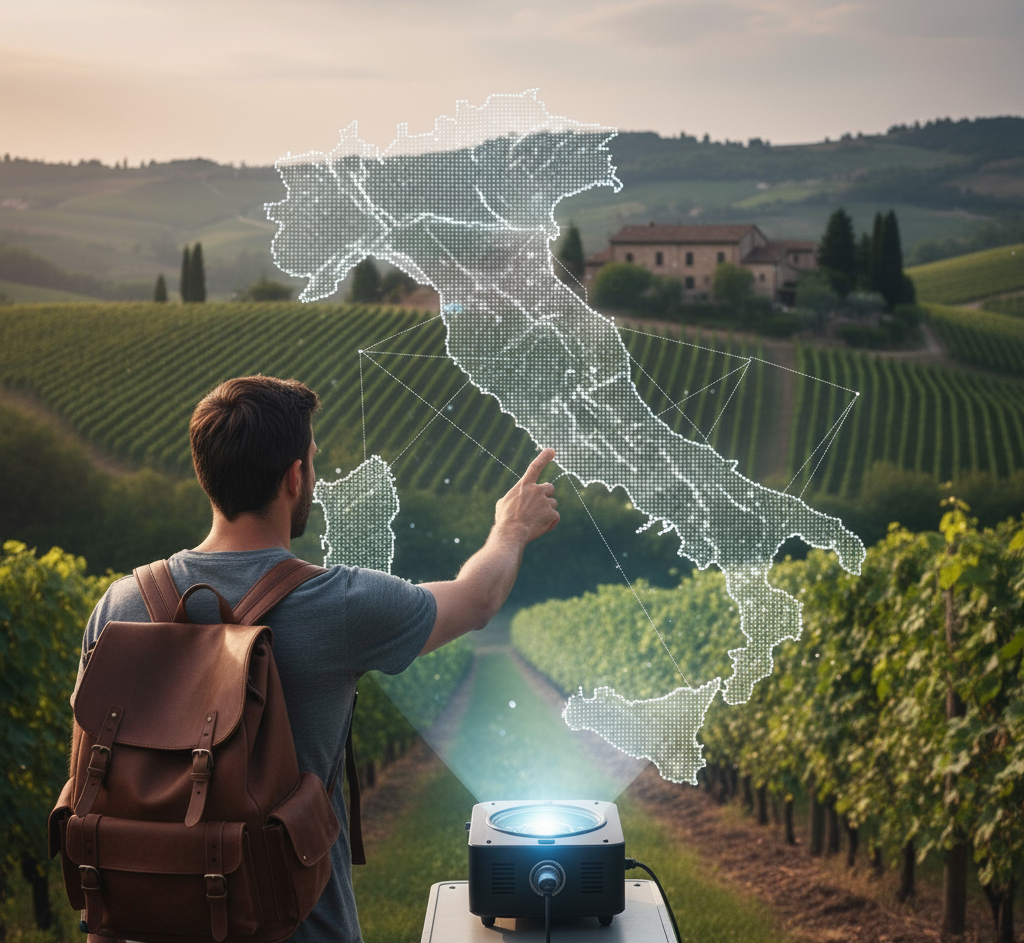

In an age where travel often feels synonymous with excess—overstuffed suitcases, jam-packed itineraries, and Instagram-fueled pressure to see and do it all—minimalist travel emerges as a refreshing and empowering alternative. It’s not just a method of packing light; it represents a deliberate lifestyle philosophy. It encourages travelers to value presence over planning, quality over quantity, and discovery over documentation. Minimalist travel challenges the assumptions we’ve absorbed about what it means to “travel well” and replaces them with something simpler, more sustainable, and far more enriching.
At its core, minimalist travel is about intentional simplicity. It means letting go of the belief that every day of your journey must have a new outfit, a perfectly curated itinerary, or an arsenal of accessories. Instead, it invites you to approach travel with clarity and calm. The less you bring, the less you worry. The less you worry, the more you notice. And the more you notice, the richer the experience becomes. You gain space not only in your bag, but in your mind.
The Philosophy Behind It
Minimalist travel isn’t about deprivation—it’s about liberation. It strips away the distractions, both physical and mental, that often get in the way of connection. When you’re not constantly managing a heavy suitcase, navigating airports with too many bags, or reorganizing your backpack every morning, you’re free to fully engage with the world around you. The experience becomes lighter—both literally and emotionally.
In this sense, minimalism is a practice of mindfulness. You choose each item, each moment, and each movement with intention. You let go of the expectation that more is better and instead realize that enough is more than sufficient. Many minimalist travelers describe gaining more than they ever expected: more energy, more spontaneity, more appreciation for the little things—like the comfort of a worn T-shirt or the joy of a quiet sunrise.
Minimalism also enhances travel agility. With fewer belongings, you’re quicker to adapt, easier to move, and freer to follow your curiosity. You’re less tethered to logistics and more open to improvisation. Want to jump on a last-minute train, take a detour to a lesser-known village, or join locals for an impromptu festival? Minimalist travelers say yes more often because they can.

Packing with Purpose
The foundation of minimalist travel is a smart, strategic approach to packing. It doesn’t mean compromising on comfort or utility. Instead, it means making purposeful choices. Here are a few essentials of minimalist packing:
- Neutral, mix-and-match clothing: Three tops and three bottoms that coordinate can easily create up to nine outfits.
- Multi-use items: A scarf that can be used as a blanket, beach towel, or pillow. A raincoat that also serves as a windbreaker.
- Digital tools: An e-reader or phone that replaces books, maps, boarding passes, and guidebooks.
- Organizational tools: Packing cubes, compression bags, and toiletries that follow TSA rules.
- Compact essentials: A lightweight, durable backpack or carry-on bag that encourages restraint and rewards creativity.
This type of packing also empowers you to travel carry-on only, which in turn saves money, reduces wait times, and allows for greater mobility. Whether you’re hopping on trains across Europe or navigating busy markets in Southeast Asia, moving lightly means moving freely.
Some travelers even create personal packing checklists that reflect their habits, destinations, and activities. These curated lists evolve over time, helping you refine your needs and eliminate the nonessentials.
The Emotional Impact of Less
What often surprises travelers is the emotional shift that comes with minimalist travel. By eliminating the burden of excess, you’re able to tune into your surroundings with a renewed sense of clarity. You start noticing the colors of a local market, the cadence of a foreign language, the smiles of strangers, or the sensation of cobblestones beneath your feet. With fewer things competing for your attention, your senses awaken.
Moreover, minimalism reduces stress. Gone is the anxiety over what to wear, whether you forgot something, or how to juggle multiple bags through a crowded terminal. Your energy is no longer depleted by indecision or the weight of belongings. Instead, it is available for presence, creativity, and connection.
Travelers also report feeling a deeper sense of self-sufficiency. There’s a quiet confidence in knowing that everything you need is on your back. You become more adaptive, more creative in problem-solving, and more open to the moment. In that openness, many discover a stronger sense of identity—stripped of distractions, you connect with who you are when you’re free to just be.
Navigating Trade-Offs
That said, minimalist travel isn’t a flawless experience. It comes with its own learning curve. You might run out of clean socks, have to wear the same shirt twice in photos, or find yourself missing an item you thought you wouldn’t need. But these moments often become part of the journey—stories you laugh about later, reminders of your resilience.
Minimalist travelers often learn to embrace imperfection. They become less attached to rigid plans and more comfortable with flow. A missed connection might lead to a chance encounter. A change in weather becomes an opportunity to slow down. With less to manage, there’s more room for flexibility, improvisation, and joy.
You also develop trust—in yourself and in the process. You begin to see that most of what we think we need is negotiable, and most of what matters can’t be packed at all. The journey becomes not only about discovering a destination, but about rediscovering your own inner landscape.
More Than a Packing Strategy
Ultimately, minimalist travel is not about reducing what you carry—it’s about expanding how you experience. It aligns with broader cultural movements: sustainability, intentional living, and digital wellness. When you travel light, you leave a lighter footprint—on the environment, on your budget, and on your mental load.
You consume less, waste less, worry less. But you see more, feel more, and grow more. Every trip becomes an exercise in presence and self-discovery.
Minimalist travel is also deeply personal. There is no perfect packing list or universal rule. It’s about knowing your needs, your priorities, and your rhythms—and letting those guide your choices. For some, it might mean one pair of shoes and a backpack. For others, it’s more about mental minimalism—turning off the noise, slowing the pace, and breathing in the moment.
It also raises deeper questions: What is essential to me? What makes me feel alive? These questions don’t just shape your packing—they begin to shape your life.
Final Thoughts
So the next time you pack for a trip, pause for a moment. Ask yourself: What do I really need? What can I leave behind to make space for wonder, for freedom, for joy?
In letting go of the excess, you may just uncover the essence of travel itself.
Because sometimes, carrying less means feeling more alive.
And that’s the true luxury of minimalist travel.