
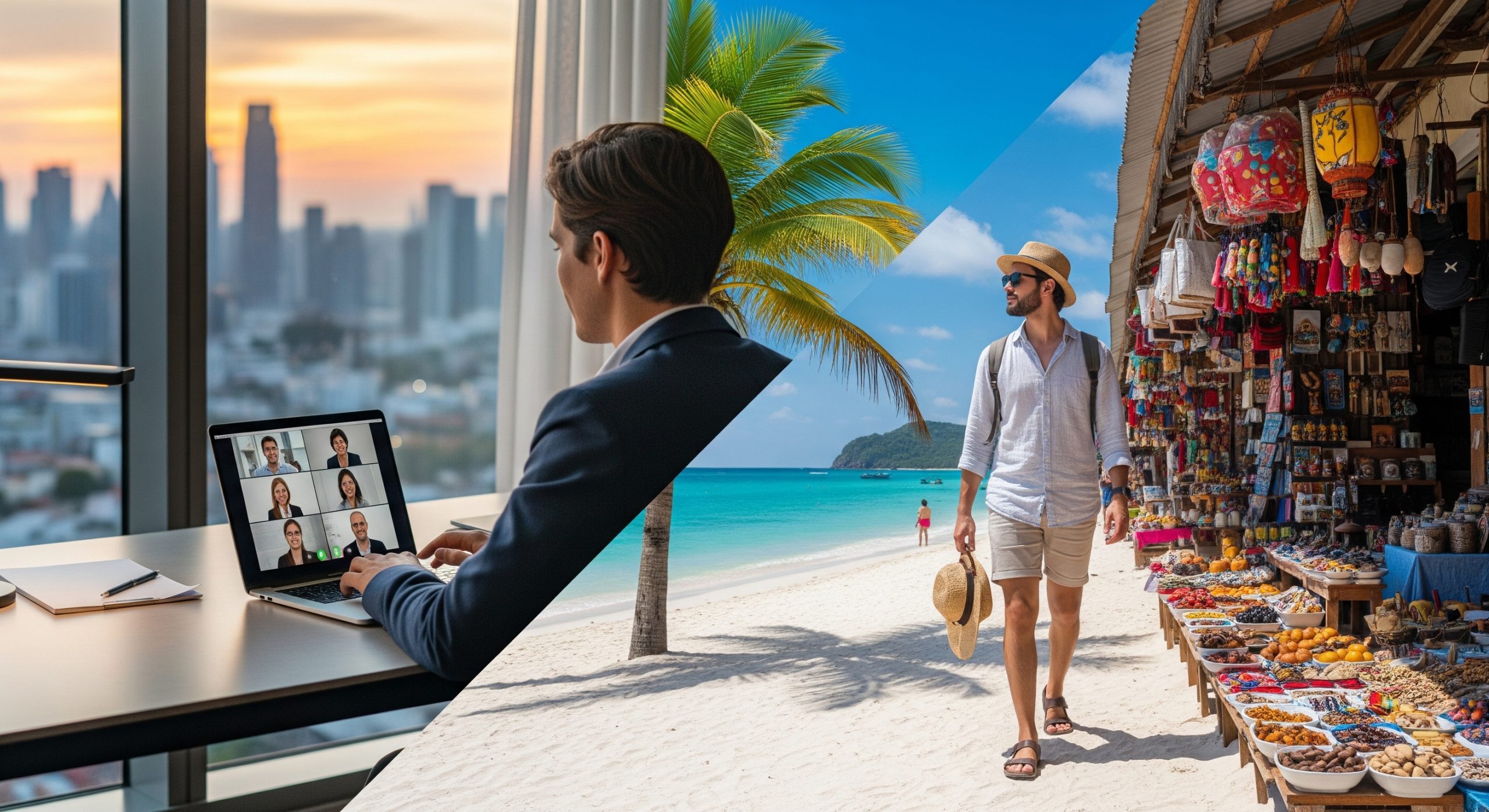
For generations, the image of the “business traveler” was a fixed and often grim caricature: a road warrior armed with a rolling suitcase, subsisting on airport coffee and stale hotel continental breakfasts. Their schedule was a brutalist piece of architecture—a red-eye flight, a day of back-to-back meetings in a sterile conference room, and a return flight home, with the city outside the taxi window serving as mere scenery. The trip was a necessary evil, a cost of doing business endured for the good of the company.
Today, that model is being systematically dismantled. In the new landscape of work—shaped by a global pandemic, a fierce war for talent, and a generation that values experiences over accolades—a revolutionary concept has moved from the fringe to the forefront of corporate strategy: “bleisure.”
This portmanteau of “business” and “leisure” is more than just a catchy buzzword. It represents a fundamental re-evaluation of the relationship between our professional and personal lives. Companies are discovering that one of their most powerful tools for attracting and retaining top talent isn’t a raise or a promotion, but a simple, compelling offer: “Since you’re already there, why don’t you stay a while?”
The Burnout of the Old Paradigm
The shift to bleisure is a direct response to the failings of the old model. The traditional business trip was designed for maximum efficiency, but it often came at a significant human cost:
- It Caused Burnout: The relentless cycle of travel, jet lag, and high-pressure meetings was physically and mentally draining.
- It Was Isolating: It separated employees from their families, friends, and routines, often leading to loneliness and disconnection.
- It Offered No Cultural Value: Employees would visit fascinating cities but experience nothing more than an airport, a hotel, and an office. The opportunity for cultural immersion was zero.
In the post-pandemic era, employees have a new set of expectations. They demand flexibility, trust, and a better work-life integration. Forcing a talented professional to endure a grueling, unfulfilling travel schedule is no longer just unpleasant; it’s a retention risk. If your company’s travel policy feels like a punishment, your best people will find an employer whose policy feels like a reward.
The Architecture of a Modern “Bleisure” Policy
So, what does this new model look like in practice? It’s not about encouraging employees to slack off. It’s about building a framework of trust and flexibility that empowers them to blend professional obligations with personal enrichment.
1. The “Work from Anywhere” Extension (The Trip Anchor) This is the cornerstone of most bleisure policies. An employee travels for a two-day conference in Lisbon. Instead of flying home immediately, the company allows them to work remotely from their hotel or a co-working space for the rest of the week. The company has already paid for the flight, and the employee gets to explore a new city in their off-hours. It turns a rushed 48-hour trip into a week-long experience at minimal extra cost.
2. Flexible Spending and Accommodation Instead of mandating that all employees stay at a specific, soulless airport hotel chain, forward-thinking companies are providing flexible budgets. This allows an employee to choose a boutique hotel in a vibrant neighborhood, an Airbnb with a kitchen, or a spot with a pool and gym. This simple shift transforms the entire feel of the trip, from a sterile business obligation to a comfortable, personal journey.
3. Integrating Personal Time and Guests The most progressive policies acknowledge that employees have lives outside of work. This can mean building policies that make it easier for a spouse or partner to join for the “leisure” portion of the trip, or officially sanctioning the practice of adding personal vacation days onto the beginning or end of a business trip without friction.

The ROI of Flexibility: A Strategic Win-Win
Embracing bleisure is not an act of corporate charity; it is one of the shrewdest business decisions a company can make today. The return on investment is tangible and multifaceted.
For the Employee:
- Dramatically Reduced Burnout: By integrating moments of discovery and relaxation, bleisure transforms travel from a source of stress into a source of energy and inspiration.
- Meaningful Cultural Immersion: It provides the opportunity to explore new cultures, learn, and grow as a person, which is a powerful motivator for modern talent.
- Enhanced Loyalty and Well-being: Employees who feel their company trusts them and cares about their holistic well-being are significantly more likely to be satisfied, engaged, and loyal.
For the Company:
- A “Secret Weapon” in Recruitment: In a competitive job market, a well-defined bleisure policy is a massive differentiator. It signals a modern, trusting, and human-centric company culture that can be more attractive than a slightly higher salary.
- A Catalyst for Creativity: An employee who has spent the morning exploring a museum before logging on is often more creative and engaged than one who has just rolled out of a generic hotel bed. Exposure to new stimuli breeds new ideas.
- Increased Productivity: The logic is simple: a happy, rested, and fulfilled employee is a productive employee. The goodwill generated by a flexible travel policy often translates directly into higher-quality work and discretionary effort.
The Implementation Challenges: Navigating the Complexity
While the benefits are clear, implementing a bleisure policy requires careful thought. It is not without its complexities.
- Tax and Legal Compliance: If an employee works from another country for an extended period, it can trigger complex tax and labor law liabilities. Companies need clear guidelines on the maximum duration of these extensions.
- Equity and Fairness: The policy must be designed to be equitable. How can the company offer similar perks to employees whose roles do not require travel? This might involve offering flexible “work from anywhere” weeks for all staff, regardless of travel obligations.
- Productivity and Accountability: Clear expectations must be set. Work hours, communication standards, and deliverables must be defined to ensure that professional responsibilities are met, regardless of the employee’s location.
- Duty of Care: Companies must be clear about where their responsibility for an employee’s safety and well-being begins and ends, especially during the “leisure” portion of the trip.
Conclusion: The Future of the Itinerary
The era of the road warrior is over. The “bleisure” economy is not a fleeting trend; it is a permanent evolution in how we think about work, life, and the geography that separates them. It acknowledges a simple truth: that the most valuable employees are not cogs in a machine, but whole human beings who crave growth, trust, and enriching experiences.
The companies that understand this—the ones that build thoughtful, flexible, and human-centric travel policies—will be the ones who attract and retain the most sought-after talent on the planet. They will have discovered that sometimes, the best way to ensure an employee is fully present for business is to give them the freedom to enjoy a little leisure.