The Ethics of Exploration: Traveling with Conscience and Curiosity to Forge a Deeper Global Understanding and Sustainable Impact
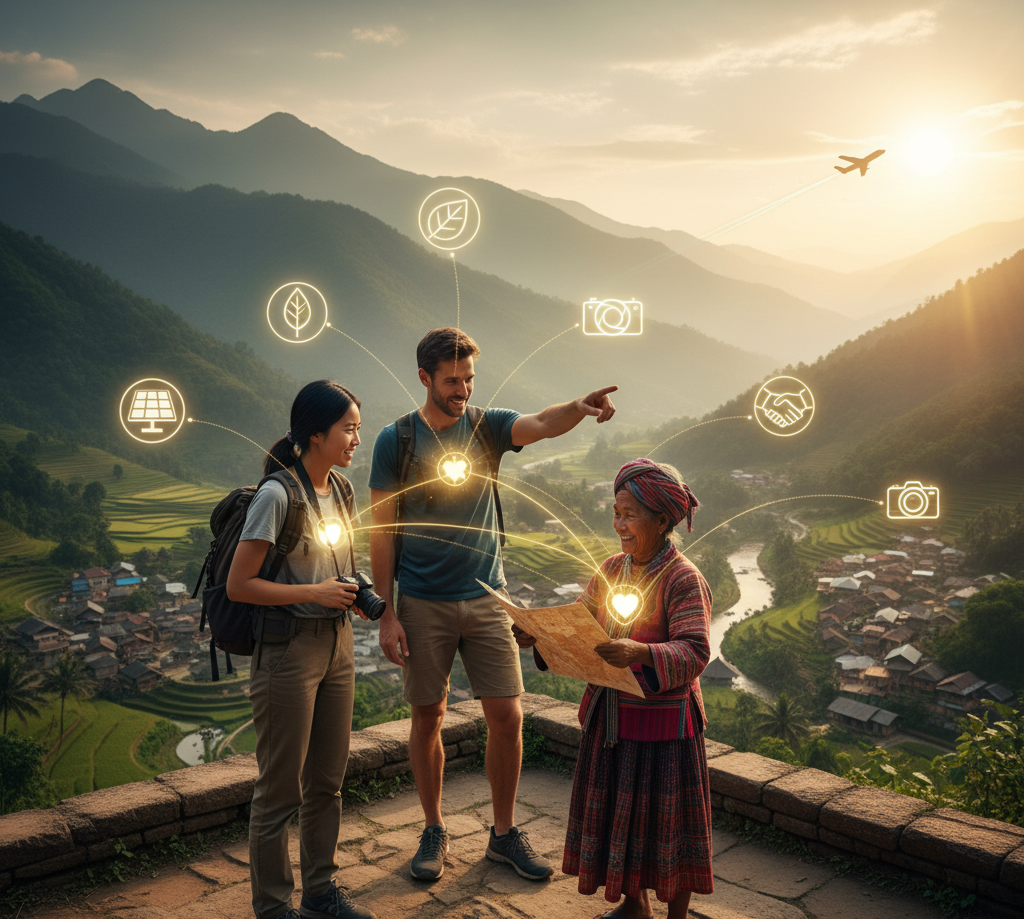
In an era of unparalleled global access, instant information, and ubiquitous travel opportunities, the act of journeying beyond our familiar borders has transcended a mere leisure activity, evolving into both a profound privilege and an undeniable, weighty responsibility. The romantic, often problematic, ideal of the intrepid explorer—once primarily synonymous with colonial conquest, the mapping of “uncharted” territories, and the exploitation of resources—has, thankfully, undergone a radical evolution. It has transformed into a pressing modern imperative: to travel not merely with an insatiable, fleeting curiosity that scratches the surface, but with an unwavering, deeply embedded conscience that seeks genuine understanding and fosters positive impact. The Ethics of Exploration demands that we consciously move beyond mere tourism—the passive consumption of picturesque sights and curated experiences—and embrace a deeper, more intentional, and actively responsible engagement with the places, the peoples, and the intricate ecosystems we encounter. It is a clarion call to meticulously understand our multifaceted impact (environmental, social, economic, and cultural), to profoundly respect local cultures, indigenous traditions, and vulnerable communities, and to actively contribute positively to the very destinations that so graciously open their arms, their homes, and their stories to us. This conscious, reflective, and ethically grounded approach transforms travel from a superficial, fleeting escape into a powerful, enduring force for profound personal growth, invaluable global understanding, and ultimately, a more sustainable future for all.
I. Beyond the Tourist Gaze: Cultivating Genuine Curiosity, Authentic Engagement, and Critical Self-Reflection
Traditional tourism, often driven by aggressive commercial interests, mass-market trends, and superficial desires, frequently encourages a detached and often dehumanizing “tourist gaze.” This way of seeing inadvertently objectifies destinations, reducing complex, living cultures, vibrant traditions, and diverse peoples to mere picturesque backdrops for our fleeting photographs and meticulously curated social media posts. The ethical explorer, however, actively and consciously resists this reductive, transactional tendency. They cultivate a genuine, sustained curiosity that extends far beyond the grand, well-known monuments, the iconic landmarks, or the “must-see” attractions listed in guidebooks. Their interest delves deeply into the subtle, often overlooked, daily rhythms of local life, the nuanced, frequently unheard stories of its diverse inhabitants, the intricate social fabrics, and the frequently unseen, systemic challenges faced by communities (e.g., poverty, environmental degradation, cultural erosion).
This authentic engagement transcends mere passive observation; it demands active, empathetic listening, asking respectful, well-considered questions that arise from genuine interest, and diligently seeking out spontaneous, unscripted interactions that foster mutual respect and genuine human connection. It’s about striving to understand the ‘why’ behind enduring traditions, the layered history embedded within a landscape, the socio-economic forces shaping a community, and the unspoken dreams and aspirations of the people who proudly call a place home. This deeper, more intentional engagement moves far beyond surface-level aesthetics to cultivate a true, enduring appreciation for the inherent richness, the profound complexity, and the beautiful diversity of human experience, replacing superficial judgment and hasty generalizations with profound, empathetic understanding. It transforms us from passive spectators into active participants in the unfolding human story, urging us to question our own assumptions and biases through the mirror of another’s reality.
II. The Footprint We Leave: Embracing Comprehensive Environmental and Social Responsibility with Proactive Intention
Every single journey we undertake, regardless of its duration or destination, inevitably leaves a multifaceted footprint—an ecological residue on the environment and a profound social, economic, and cultural imprint on the communities we visit. The ethical explorer is acutely and consciously aware of this multifaceted impact and strives relentlessly to minimize any potential harm while simultaneously maximizing positive, sustainable contributions. Environmentally, this translates into making deliberate, informed choices: consciously opting for low-impact, sustainable transportation methods whenever feasible (e.g., trains over short-haul flights, public transport, walking or cycling instead of private vehicles), rigorously reducing the consumption of single-use plastics and generating minimal waste, diligently respecting delicate natural habitats and wildlife (e.g., avoiding animal exploitation, sticking to marked trails), and actively supporting eco-friendly accommodations that prioritize ecological stewardship, local sourcing, and responsible waste management.
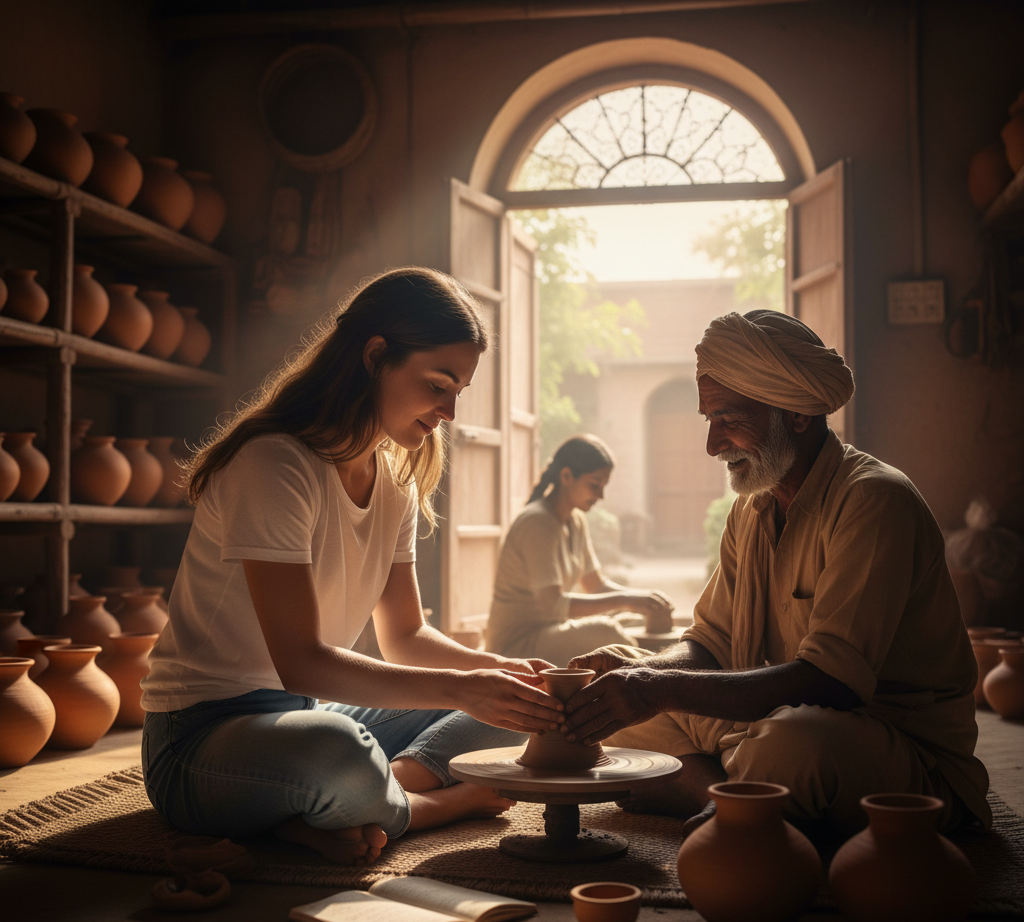
Socially and culturally, this commitment manifests as a deep, unwavering respect for local customs, indigenous traditions, religious practices, and the often-unwritten local laws and etiquette. It means dressing appropriately, engaging in fair and respectful bargaining (if applicable in local markets, understanding that price gouging by tourists harms locals), always seeking explicit permission before taking photographs of people (especially children or in sacred spaces), and maintaining a keen awareness of the inherent power dynamics that exist in tourist-host interactions, ensuring interactions are equitable and dignified. This responsibility extends powerfully to our economic choices: conscientiously channeling our funds directly into local economies by supporting small, independent businesses, local artisans, family-run restaurants, and community-based tourism initiatives, rather than inadvertently bolstering large, often foreign-owned, conglomerates whose profits may not recirculate locally or benefit the community in which they operate. By meticulously integrating these comprehensive practices, travel transcends a mere personal indulgence and evolves into a truly reciprocal exchange, profoundly benefiting both the traveler’s soul and the sustained well-being, cultural integrity, and economic vitality of the local community.
III. Cultural Humility: The Transformative Power of Learning More Than We Teach, and Adapting More Than We Expect
One of the most profound, often challenging, and ultimately humbling lessons that ethical exploration imparts is the indispensable virtue of cultural humility. We arrive in a new land as respectful guests, not as uninvited experts, self-appointed authorities, or cultural missionaries. This foundational principle dictates that we approach new cultures with an authentically open mind, actively recognizing that our own ingrained cultural norms, values, beliefs, and perspectives represent merely one way of experiencing and interpreting the world—a single piece in a vast global tapestry—not the definitive, universal standard by which all others should be judged. It’s about diligently listening more than speaking, enthusiastically learning more than presumptuously teaching, and gracefully adapting to local rhythms, customs, and societal norms rather than arrogantly expecting foreign places and peoples to conform to our preconceived expectations or personal conveniences.
Cultivating cultural humility helps us not only to consciously avoid unintentional offense, cultural appropriation, or the perpetuation of stereotypes, but also, crucially, opens wide the doors to deeper, more authentic connections, genuine cross-cultural understanding, and far richer, more meaningful experiences. It positions us as perpetual students of the world, eager to absorb its ancient wisdom, its diverse viewpoints, its intricate complexities, and its unique ways of knowing and being, thereby profoundly expanding our own understanding of what it fundamentally means to be human in a vast, varied, and interconnected world. It challenges our ethnocentric comfort zones, dismantles our preconceived notions, and meticulously builds bridges of genuine understanding, respect, and mutual appreciation between individuals and cultures.
IV. The Journey Within: How Ethical Exploration Forges an Enduring Inner Transformation and a Commitment to Global Citizenship
Ultimately, traveling with both an awakened conscience and genuine, deep-seated curiosity is not merely about effecting positive changes in the world around us; it is, at its core, about initiating and nurturing a profound, enduring, and often irreversible transformation within us. The myriad challenges encountered, the invaluable insights gained, and the deep, human connections forged on an ethical journey inevitably lead to an unparalleled level of personal metamorphosis. By consciously stepping outside our ingrained comfort zones, by courageously confronting and dismantling our inherent biases and prejudices, and by actively engaging with profound difference and otherness, we cultivate robust resilience, boundless empathy, intellectual humility, and a far more nuanced, sophisticated worldview that recognizes interconnectedness.
We return home not merely laden with exotic souvenirs or a plethora of glossy photographs, but with dramatically expanded perspectives, a deeper, more profound appreciation for humanity’s kaleidoscopic diversity, and a renewed, unwavering commitment to truly responsible global citizenship. The ethical explorer instinctively understands that the true, immeasurable value of travel lies not just in the geographical locations they visited, the famous landmarks they saw, or the checklists of experiences they completed, but far more profoundly in who they became along that transformative path—a more aware, a more compassionate, a more deeply connected, a more open-minded, and ultimately, a more authentically human individual. This kind of travel is not an escape from reality or a mere consumption of destinations; it is an immersive, life-altering embrace of reality in its richest, most diverse forms, compelling us to carry the lessons learned into our daily lives and contribute to a more just and sustainable world.