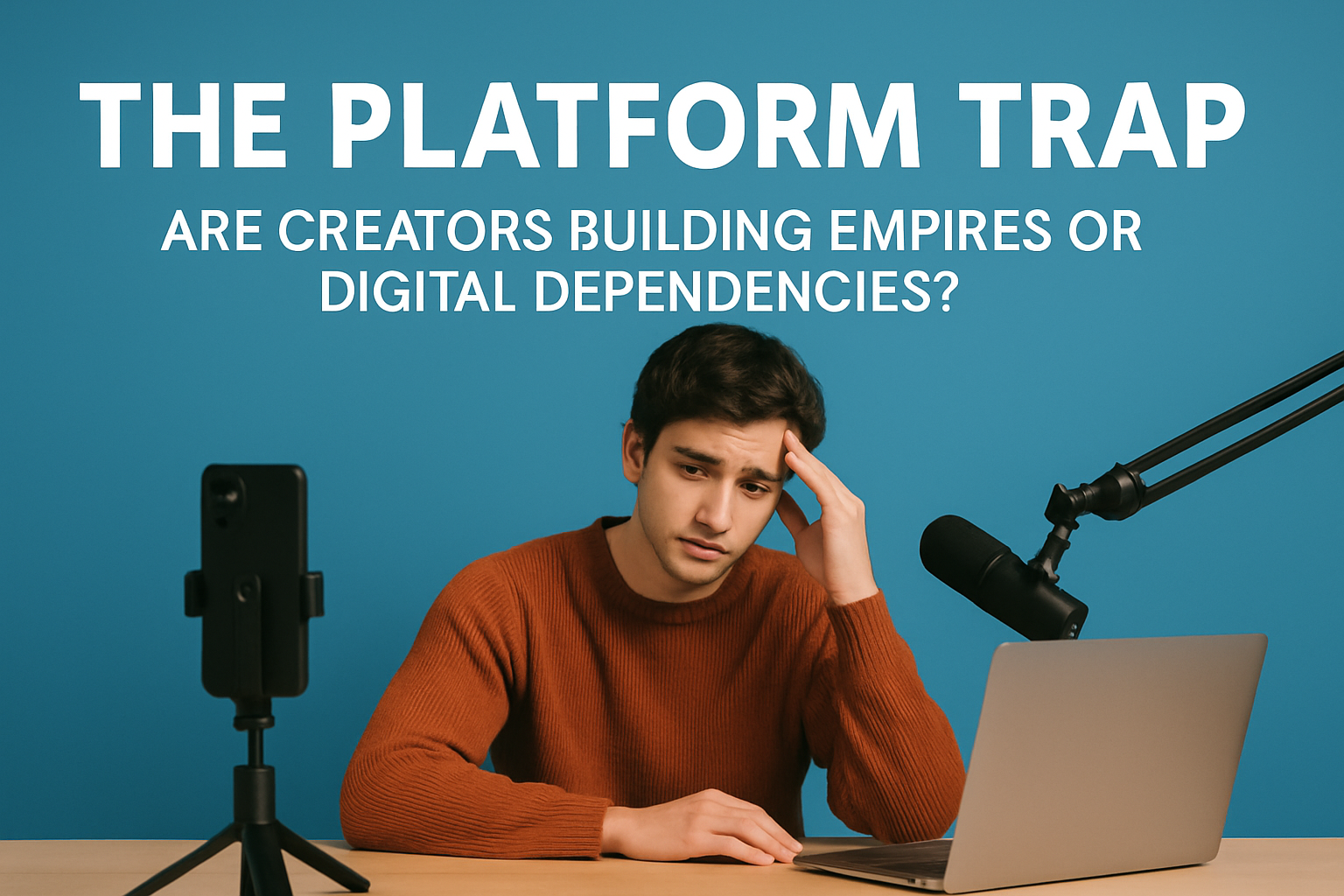
n the golden age of digital content, creators have unprecedented access to tools, global audiences, and monetization models that were unimaginable even a decade ago. From TikTok to YouTube, Patreon to Substack, the creator economy is not only booming—it’s redefining the landscape of modern work, personal branding, and digital entrepreneurship. This transformation has enabled individuals from all walks of life to launch their own businesses, build loyal communities, and gain autonomy over their creative expression. Millions of individuals are monetizing their skills, stories, and personalities, finding fame and fortune online. They are influencers, educators, entertainers, and activists who operate in niches as diverse as cooking, fitness, finance, and philosophy. But beneath the surface of this explosive growth lies a deeper, more critical question: Are creators truly building sustainable empires—or are they just tenants on platforms they don’t own, beholden to algorithms and policies they can’t control?
The Allure and the Illusion of the Platform
Digital platforms are seductive. They promise reach, discoverability, and monetization with minimal startup cost. With a smartphone and Wi-Fi, anyone can become a global creator. A viral reel can turn a teenager into a celebrity overnight. Platforms like Instagram and YouTube claim to offer creators a direct connection to their audience, while Patreon, Buy Me a Coffee, and Ko-fi facilitate monetization through memberships and micro-payments. Even tools like TikTok Creator Fund and YouTube Shorts Bonuses seem to reward creative spontaneity and originality.
However, the illusion of empowerment can be misleading. The digital infrastructure may be user-friendly and accessible, but creators operate within boundaries defined entirely by the platform. These platforms control visibility through opaque algorithms, dictate monetization eligibility through changing policies, and reserve the right to suspend or ban accounts at will. The rules aren’t transparent, and decisions are rarely open to appeal.
You may build your brand, but you don’t own your feed. You may earn a living, but you don’t control your environment. The platform giveth—and the platform taketh away. This power dynamic creates a fragile ecosystem where even the most successful creators must constantly adapt, conform, or risk losing everything they’ve built overnight.
Dependency Disguised as Empowerment
The term “digital landlord” is gaining currency as an apt metaphor for the relationship between platforms and creators. Like tenants, creators can decorate their virtual space, cultivate a community, and earn income—but they don’t hold the deed. The landlord (i.e., the platform) can change the rules at any moment. Visibility can vanish, monetization can be throttled, and creative control can be restricted. Creators are essentially subject to the whims of a business model designed not for their freedom, but for platform retention and growth.
Consider the following real-world scenarios:
- YouTube’s automated demonetization system has cut off revenue for countless creators without explanation, leaving them in limbo.
- Instagram and TikTok regularly adjust their algorithms, leaving creators scrambling to maintain their once-thriving reach.
- Twitter/X’s platform volatility, mass layoffs, and shifting ownership have caused an exodus of creators and followers, disrupting networks built over years.
Even seemingly creator-first platforms like Patreon or Substack charge fees, limit discoverability to internal audiences, and enforce terms that can restrict a creator’s business model. While these platforms enable success, they simultaneously centralize control, ensuring the creator’s dependency remains intact.
Building a Digital Moat: Diversification and Ownership
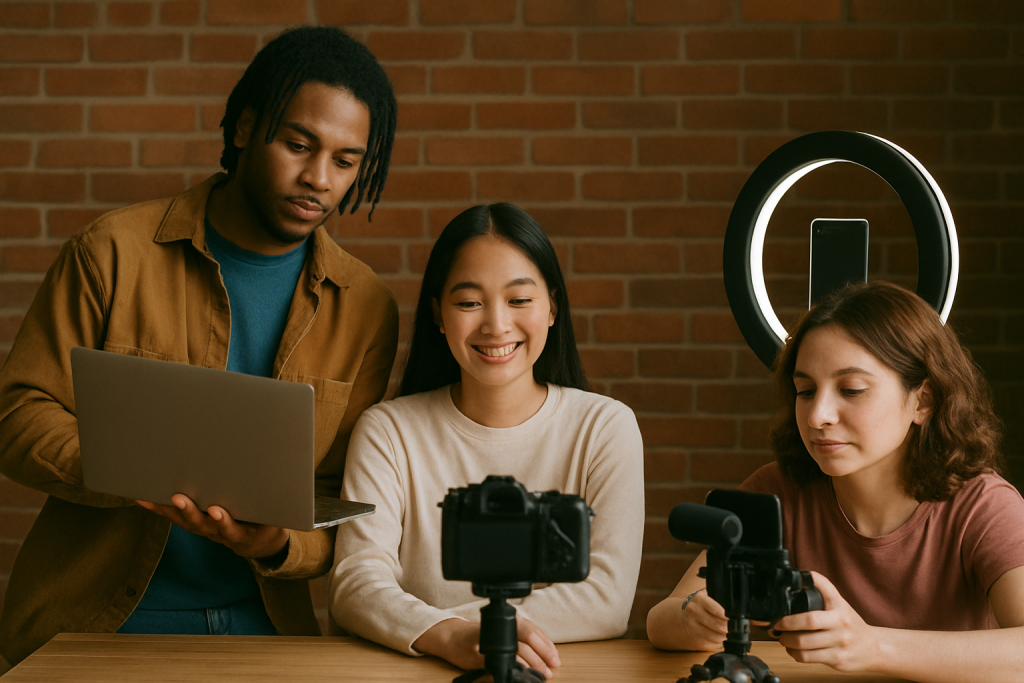
To escape the platform trap, forward-thinking creators are focusing on building digital moats—protective strategies that prioritize ownership, control, and resilience. The key lies in owning your audience, not just renting their attention through social algorithms.
Here’s how creators are taking back control:
- Email newsletters and mailing lists: These create direct, unfiltered access to followers without intermediaries, ensuring engagement isn’t filtered by an algorithm.
- Personal websites and blogs: These serve as home bases for content and commerce, immune to sudden platform shutdowns or content takedowns.
- Digital storefronts: Platforms like Gumroad, Shopify, and Podia allow creators to sell eBooks, courses, and merchandise without middlemen.
- Private communities: Tools like Discord, Circle, or Geneva help creators build engagement and belonging in spaces governed by their own values.
These tactics turn creators into entrepreneurs. Instead of chasing views, they cultivate trust. Instead of relying on reach, they focus on relationship. Instead of performing for a platform, they build for longevity. The result is not just financial security but also creative independence—a rare asset in a world that monetizes attention.
The Rise of the Creator Middle Class
While influencers with millions of followers dominate headlines, the real movement is happening among the creator middle class: niche podcasters, writers, artists, and educators making a sustainable living from small, loyal audiences. This group is often overlooked but incredibly important.
For them, platform dependence is especially risky. A single algorithm change can mean a significant drop in revenue or engagement. That’s why many are shifting to diversified income models—combining content, products, services, and memberships to stabilize their business.
Instead of scaling endlessly, these creators aim for sustainability. They prioritize community over clout. They seek consistency over virality. And in doing so, they challenge the myth that more followers always means more success.
Redefining Success in the Creator Economy
As the creator economy matures, it forces a redefinition of what success truly means. Is it measured in likes and subscribers—or in freedom, autonomy, and fulfillment? Do creators want to go viral—or go deep with a core audience that trusts them?
These questions matter because platforms incentivize superficial growth: more views, more engagement, more uploads. But savvy creators are realizing that true value lies in depth over breadth. The connection between creator and audience becomes the most enduring asset.
That’s why many are investing in relationship-based models: offering coaching, exclusive content, experiences, and courses that foster loyalty and provide stability.
The Business of Platform Dependency
We must also recognize that platforms are not benevolent facilitators—they are businesses. Their priority is retention, not creator independence. They tweak algorithms to maximize user time, extract data, and boost ad revenue—not to nurture meaningful creative careers.
As such, creators must approach platforms strategically. Use them as tools, not homes. Leverage them for visibility, then guide audiences toward spaces you control. Be platform-savvy, but never platform-dependent.
The platform era has unlocked incredible opportunities for creators—but it’s also created new risks and limitations. Creators must ask themselves: Am I building an empire, or am I feeding someone else’s machine?
True creative freedom starts with control—of your audience, your business model, and your platform. The internet rewards those who own the foundation, not just the façade.
Because building on rented land may seem easy—but owning your corner of the web is what creates lasting impact.
And in the long game of content, ownership isn’t just smart.
It’s essential.