
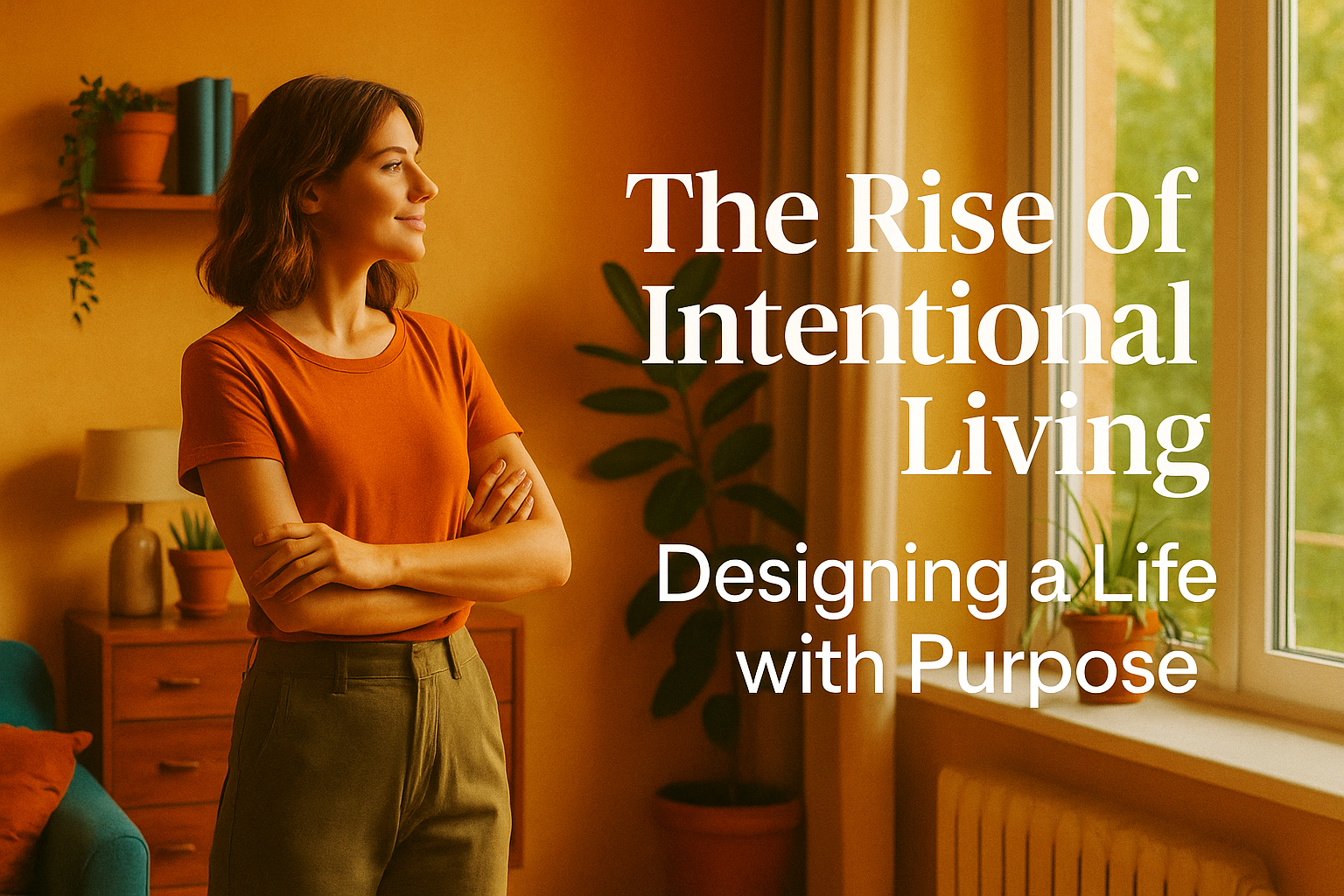
In a world that prizes speed, multitasking, and constant connectivity, the idea of slowing down to live more intentionally feels almost countercultural. Yet, across the globe, more people are embracing a quieter, more deliberate philosophy: intentional living—the conscious act of aligning one’s life with one’s values, priorities, and deeper sense of purpose.
This movement isn’t about perfection or having all the answers. It’s about making choices on purpose rather than by default. It means asking: Why am I doing this? Does it support the life I want to create? Whether it’s in work, relationships, health, or how we spend our free time, intentional living invites us to examine what truly matters—and let go of the rest.
From Auto-Pilot to Awareness
For many, the path to intentional living begins with burnout. The modern world runs on hustle: endless emails, social pressure to be constantly “on,” and the quiet anxiety of not doing enough. Eventually, the cost becomes clear: emotional exhaustion, disconnection, and a feeling of drifting without direction.
That’s when something shifts. People begin questioning the script they’ve been handed. Do I actually want this career? Is this routine making me feel fulfilled or stuck? What values am I truly living by—and do they reflect who I am becoming, or who I once thought I had to be? This internal reckoning becomes more than just a moment of doubt; it’s a profound invitation to pause, to reassess not just daily habits but long-held assumptions. It’s often in the discomfort of this questioning that clarity begins to surface. This wake-up call becomes the gateway to greater awareness—an awareness that slowly transforms autopilot into conscious, deliberate living. And with awareness comes the ability to design a life on your own terms—one decision, one boundary, one act of courage at a time.
Designing with Purpose
Living intentionally doesn’t require dramatic life changes or a total reinvention of who you are. In fact, it often starts with the smallest decisions made consistently. It might mean waking up 30 minutes earlier to read, reflect, or simply sit with your thoughts. It can be as simple as saying no to social engagements that drain you, or re-evaluating your digital habits so that your attention isn’t hijacked by noise that doesn’t serve you. Prioritizing health may shift from being a goal of aesthetics to becoming a daily practice of self-respect and presence. Work may transition from being just a source of income to a vehicle for expression, growth, and meaning.
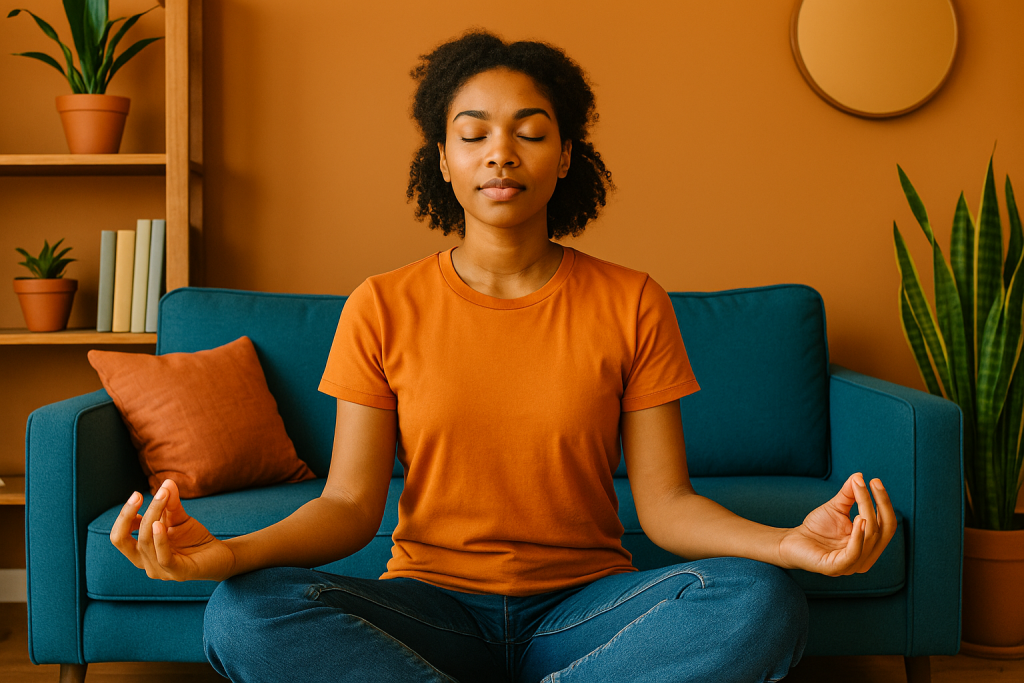
Tools like journaling, digital minimalism, meditation, or even decluttering your physical space can become anchors in this lifestyle. They offer daily moments to reconnect with your “why.” Many who pursue this path build quiet rituals into their day—morning walks to clear the mind, breathwork to calm the nervous system, or phone-free evenings to reconnect with partners or simply enjoy stillness. It’s less about restriction and more about creating deliberate space—space for what matters, space to hear yourself think, space for presence to take root.
Justin Welsh, a former tech executive turned solopreneur, is one of the clearest examples of this shift. In his writing, he details how walking away from the traditional path of corporate success allowed him to design a simpler, freer, and more fulfilling life. His journey speaks to a generation increasingly disillusioned with the pursuit of more, and hungry instead for a sense of agency and autonomy. Welsh isn’t selling a formula—he’s offering permission to rethink what success looks like.
The Courage to Choose Differently
Intentional living often means swimming against the current. It takes courage to define success on your own terms, especially in a culture that constantly sells comparison and consumption. But those who commit to this path often describe an inner peace, a sense of alignment that’s hard to quantify—but impossible to ignore.
They are not chasing more. They are creating enough.
A Growing Global Shift
This movement is not just a trend. It’s a quiet revolution. From minimalism in Tokyo apartments to off-grid communities in Portugal, from mindful entrepreneurship to slow parenting—intentional living is showing up in diverse, powerful ways.
And as global challenges—from burnout to climate anxiety—continue to rise, the desire to live more meaningfully will only grow stronger.
Final Thoughts
In the end, intentional living is not a destination. It’s a practice. A daily choice to live in alignment with what matters most.
It asks us to pause, reflect, and design—not just react.
Because in a world full of noise, intention is clarity. And clarity, more than ever, is freedom.